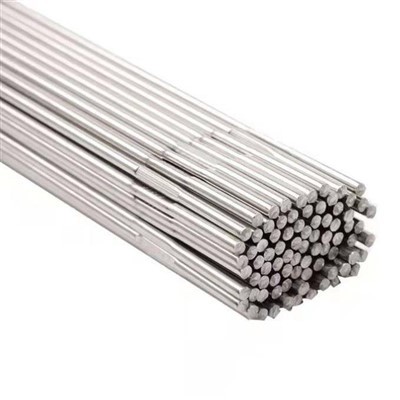
When it comes to the food industry, most people probably think about fresh produce, delicious recipes, and strict hygiene standards. But did you know that titanium alloy rods also play a crucial role in this sector? As a titanium alloy rod supplier, I've seen firsthand how these rods are used in various food - related applications. So, let's dig into what the food industry requires from titanium alloy rods.
1. Purity and Hygiene
The food industry is all about safety. People consume the products made or processed using the equipment in this industry, so there's no room for compromise on hygiene. Titanium alloy rods used in this sector need to be extremely pure. Contaminants in the rods can leach into the food, posing health risks.
For example, if a rod contains heavy metals like lead or mercury, even in trace amounts, these can end up in the food products during processing. This is a big no - no as it can cause serious health issues for consumers. The rods should be manufactured in a clean environment, following strict quality control measures to ensure that they meet the high - purity standards set by food safety regulations.


We, as a supplier, make sure that our Titanium Round Rod goes through multiple purification processes. This helps in removing any unwanted impurities, making them suitable for food - grade applications.
2. Corrosion Resistance
Food processing often involves exposure to various chemicals, acids, and salts. For instance, in the pickling process, foods are soaked in acidic solutions. In seafood processing, there's a high salt content. Titanium alloy rods used in equipment for these processes need to have excellent corrosion resistance.
If a rod corrodes, it can contaminate the food and also reduce the lifespan of the equipment. Titanium alloys are known for their natural ability to form a protective oxide layer on their surface, which helps in resisting corrosion. However, the specific alloy composition matters. Some alloys are better suited for certain types of corrosive environments than others.
Our Titanium Forging Bar is carefully formulated to withstand different levels of corrosion. Whether it's the mild acidity in fruit juice processing or the harsh saltwater in fish canning, our bars hold up well, ensuring that the food remains uncontaminated.
3. Strength and Durability
Food processing equipment often operates under high pressure and heavy loads. For example, in a meat - cutting machine, the blades are attached to parts made of titanium alloy rods. These rods need to be strong enough to withstand the force exerted during the cutting process.
If a rod is not strong enough, it can break or deform, which can lead to equipment failure and production downtime. Moreover, it can also pose a safety risk to the workers operating the machinery. Durability is also important as the food industry runs on tight schedules, and frequent replacement of parts can be costly and disruptive.
Our titanium alloy rods are heat - treated and forged to enhance their strength. This makes them capable of handling the tough conditions in the food industry, whether it's in a large - scale industrial plant or a small - scale artisanal food production unit.
4. Precision and Dimensions
In the food industry, precision is key. Equipment needs to work accurately to ensure consistent product quality. Titanium alloy rods used in manufacturing food processing equipment must have precise dimensions.
For example, in a bottling machine, the rods used in the filling mechanism need to be of the exact size to ensure that each bottle is filled with the right amount of liquid. Even a small deviation in the rod's dimensions can lead to over - filling or under - filling, which is not acceptable in the food industry.
We use advanced manufacturing techniques to ensure that our rods have the required precision. Whether it's the diameter, length, or straightness, we make sure that our Titanium Filler Rod Welding and other products meet the strict dimensional requirements of our customers in the food industry.
5. Ease of Cleaning and Maintenance
Cleaning is a regular and essential part of food processing operations. Equipment needs to be cleaned thoroughly to prevent the growth of bacteria and other microorganisms. Titanium alloy rods should be easy to clean.
Smooth surfaces are preferred as they are less likely to trap food particles and dirt. Rough or porous surfaces can harbor bacteria, making it difficult to clean the equipment effectively. Additionally, the rods should be able to withstand the cleaning agents used in the food industry, which are often strong detergents and sanitizers.
Our rods are finished with a smooth surface treatment, which not only makes them easy to clean but also helps in maintaining their hygiene over time. This reduces the risk of cross - contamination between different batches of food products.
6. Compatibility with Other Materials
Food processing equipment is often made up of multiple materials. Titanium alloy rods need to be compatible with these other materials. For example, they may be used in combination with stainless steel, plastics, or rubber components.
If there's a lack of compatibility, it can lead to issues like galvanic corrosion or material degradation. Galvanic corrosion occurs when two different metals are in contact in the presence of an electrolyte (such as water or a food solution), and one metal corrodes at an accelerated rate.
We test our titanium alloy rods for compatibility with various materials commonly used in the food industry. This ensures that when our rods are integrated into the equipment, they work well with other components, without causing any unwanted chemical reactions.
Why Choose Our Titanium Alloy Rods
As a supplier, we understand the unique requirements of the food industry. We've invested in state - of - the - art manufacturing facilities and a team of experts who are dedicated to producing high - quality titanium alloy rods.
Our rods are not only made to meet the strictest food safety standards but also offer excellent performance in terms of strength, corrosion resistance, and precision. We provide customized solutions based on the specific needs of our customers in the food industry. Whether you're a small - scale food producer or a large multinational corporation, we can supply the right titanium alloy rods for your equipment.
If you're in the food industry and looking for reliable titanium alloy rods, we'd love to hear from you. We can have a detailed discussion about your requirements and provide you with samples to test. Contact us to start a conversation about how our products can enhance the efficiency and safety of your food processing operations.
References
- "Food Safety and Hygiene in the Processing Industry" - A comprehensive guide on food safety regulations and requirements for equipment.
- "Titanium Alloys: Properties and Applications" - A technical book that details the characteristics of different titanium alloys and their suitability for various industries.
- Industry reports on food processing equipment and the role of materials like titanium alloy rods.