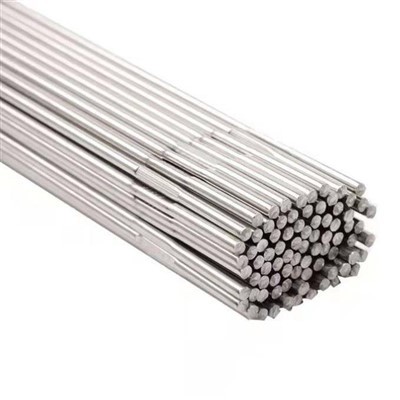
Hey there, fellow metal enthusiasts! As a supplier of titanium forgings, I'm super excited to chat with you about the commonly used grades of titanium in forgings. Titanium is an amazing metal – it's strong, lightweight, and corrosion-resistant, which makes it a top choice for a whole bunch of industries.
Let's start with Grade 2 titanium. This is a commercially pure titanium grade, and it's one of the most widely used in forgings. Why? Well, it has excellent formability. That means we can easily shape it into different forms during the forging process. It's also very ductile, which is a fancy word for being able to stretch without breaking.
Grade 2 titanium is a rock - star in industries where corrosion resistance is crucial, like the chemical processing industry. Process vessels, piping, and heat exchangers often use Grade 2 titanium forgings because they can withstand all sorts of harsh chemicals without getting rusty or eaten away. And in the marine industry, it's a great choice too. Since it can stand up well to saltwater, parts like ship fasteners and hull components are often made from this grade of titanium. If you're looking for high - quality Grade 2 Titanium Profiled Forgings, we've got you covered.
Next up, we have Grade 5 titanium, also known as Ti - 6Al - 4V. This is an alloy, which means it's a mix of titanium with other elements (in this case, aluminum and vanadium). Grade 5 is like the all - around athlete of the titanium world. It's got a great balance of high strength and light weight.
You'll see Grade 5 titanium forgings everywhere in the aerospace industry. Aircraft components like landing gear, engine parts, and structural frames are commonly made from this grade. The military also loves it for aerospace and defense applications. Fighter jets need parts that are strong but not too heavy, and Grade 5 fits the bill perfectly. In the medical field, Grade 5 titanium forgings are used for implants because of its biocompatibility – the human body doesn't reject it easily. Check out our excellent selection of Titanium Alloy Forgings, and you'll find top - notch Grade 5 products.
Grade 9 titanium, or Ti - 3Al - 2.5V, is another important grade for forgings. It's got a good balance of strength and weldability. This grade is often used in the production of aerospace tubing and bicycle frames. In the aerospace industry, its combination of properties makes it perfect for applications where you need to join pieces together easily while still having enough strength.
For cyclists, bikes made with Grade 9 titanium forgings are a dream. They're light, so it's easier to pedal up those hills, and they're strong enough to handle the rough and tumble of the road. Grade 9 also offers decent corrosion resistance, which is great whether it's for aerospace parts flying through the atmosphere or bikes exposed to the elements on the road.
Now, let's talk about Grade 12 titanium. This grade is a bit of a hidden gem. It's an alloy that contains molybdenum and nickel. Grade 12 has great corrosion resistance, similar to stainless steel in some environments, but it's much lighter.
In the oil and gas industry, Grade 12 titanium forgings are used for downhole equipment like valves and pumps. These parts need to withstand high - pressure, high - temperature conditions and resist corrosion from oil, gas, and chemicals. In the food and beverage industry, it's a good choice for processing equipment because it won't contaminate the products and can be easily cleaned.
When it comes to choosing the right grade of titanium for forgings for your project, there are a few things you need to consider. First off, think about the strength requirements. If you're building something that needs to hold a lot of weight or withstand high stress, you'll probably want a high - strength alloy like Grade 5.
Corrosion resistance is another big factor. If your parts will be in contact with chemicals, saltwater, or other corrosive substances, you'll need a grade with good corrosion - resisting properties, like Grade 2 or Grade 12.
Cost is also important. Commercially pure grades like Grade 2 are generally less expensive than some of the high - end alloys. But sometimes, spending a bit more on a higher - grade alloy can save you money in the long run by reducing the need for repairs and replacements.
As a titanium forging supplier, we've got a lot of experience working with these different grades. We can help you figure out which grade is the best fit for your specific needs. Whether you need a small batch of custom - made forgings or a large - scale production run, we're here to make it happen.


If you're in the market for titanium forgings and want to learn more or have a specific project in mind, don't hesitate to reach out. We're always happy to have a chat about your requirements, give you a quote, or provide more information about our products. Whether it's for aerospace, medical, automotive, or any other industry, we've got the knowledge and expertise to supply you with top - notch titanium forgings.
So, what are you waiting for? Let's start this journey together and get you the right titanium forgings for your project.
References
- "Titanium: Its Occurrence, Chemistry, and Technology" by Kenneth A. Gschneidner Jr. and Benoit Vivier.
- "Understanding Metals and Materials" by William R. Smith.
- Various industry reports on titanium applications in different sectors.