

Why Choose Us
Luoyang Come On Metal Materials Technology Co., Ltd. is established in 2018 located in Luoyang City, China. Specializing in the research and development, production and sales of metal products for 10 years long.
Wide Product Range
Our company specializes in R&D, processing and sales of titanium and titanium alloy ingots, rods, tubes, plates, wires and flanges, forgings, standard parts and other non-ferrous metal products such as tungsten, molybdenum and tantalum etc.
Wide Range of Applications
The products are mainly used in aerospace, ship, marine, petroleum, chemical, electric power, rare earth smelting, electric light source, medical equipment, metallurgical machinery, smelting equipment and other fields.
Real Factory
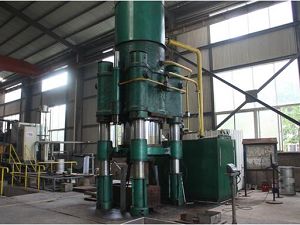
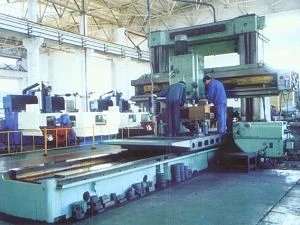
We are a manufacturer of producing high strength Titanium product, with completely equipment, skillful technique, production line, experienced R & D and sales team.
Quick Response
Our commitment is to respond to your inquiries within 24 hours, ensuring that you receive the information and support you require in a timely manner.
-
![Titanium Blind Flange]() Titanium Blind FlangeTitanium blind flange is a type of blind flange made of titanium metal, which has the advantages of corrosion resistance, high strength, and lightweight. It is widely used in fields such as
Titanium Blind FlangeTitanium blind flange is a type of blind flange made of titanium metal, which has the advantages of corrosion resistance, high strength, and lightweight. It is widely used in fields such as -
![Titanium Threaded Flange]() Titanium Threaded FlangeTitanium threaded flange is an engineering component mainly used to connect the ends of pipelines in pipeline systems, enabling them to be interconnected or connected to other equipment such as
Titanium Threaded FlangeTitanium threaded flange is an engineering component mainly used to connect the ends of pipelines in pipeline systems, enabling them to be interconnected or connected to other equipment such as


Corrosion Resistance
Titanium flanges are corrosion-resistant and perform exceptionally under extreme pressure and temperature. For industries with chemical environments, corrosion is the primary concern, and titanium flanges fit well.
High Strength and Low Density
Titanium has physical properties like high strength and low density. This physical property enhances the mechanism load and lessens the string stress and structural weight.
Cost-effective
Titanium flanges are cost-effective because they have long usable life durations. It requires fewer replacements and even avoids costly additions and materials to enhance its structural strength.
Easy Fabrication
Titanium is relatively easy to work with, allowing for precise machining and fabrication of complex flange designs. It means they can be tailor-made to specific project requirements.
Biocompatibility
Titanium flanges are often employed in manufacturing equipment used in the pharmaceutical industry and for medical implants, thanks to their non-toxic and non-reactive nature.
Low Thermal Expansion
Titanium, a transition metal, has a low coefficient of thermal expansion, which means it stretch and contracts minimally with temperature changes.
Lightweight
Titanium is exceptionally lightweight, which reduces the overall weight of piping systems. This property of titanium is helpful in industries like aerospace.
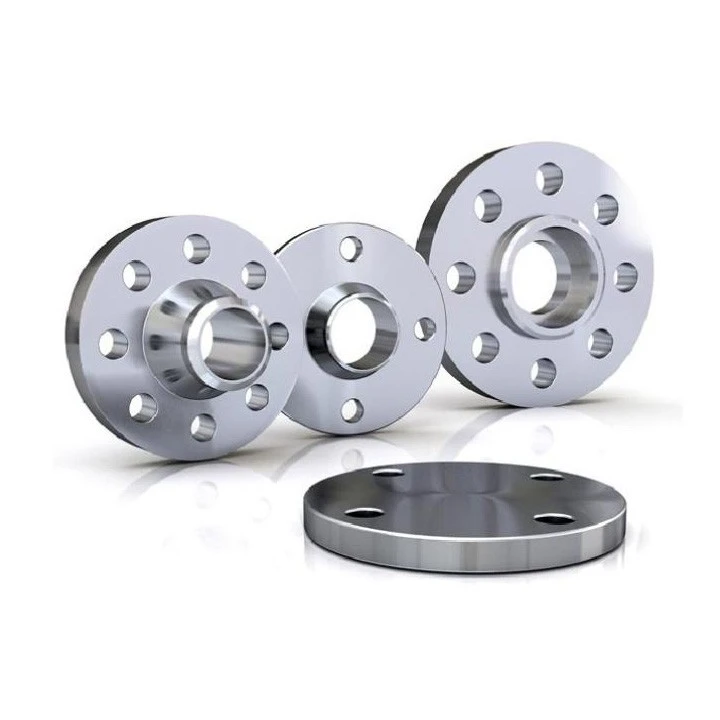
Types of Titanium Flange


Titanium Threaded Flange
These titanium flanges are used in high-pressure systems with small diameter pipes, and the bigger the titanium flange is, the more challenging it is to form a thread. This distinct flange type is more convenient to install and maintain than titanium flat welding and butt-welding flanges and can be used in pipelines that do not permit welding on-site.
Titanium Blind Flange
Primarily utilized to cap off pipelines, this flange allows easy access to the line once sealed. With the ability to be machined, it is possible to fit a standard-sized pipe to which a threaded or welded downsize is connected.
Titanium Spectacle Flange
This item is typically sandwiched between two gaskets and made up of two metal discs connected with a piece of steel. The unique shape of the spectacle blind is said to be reminiscent of a pair of glasses, giving the blind its distinct name.
Titanium Integral Flange
This flange features an integral hub with a weld neck far from the ring to minimize bending and welding stress concentration risk.
Titanium Orifice Flange
These flanges are nearly identical to titanium weld neck and slip-on flanges. They feature additional machining in radial tapped holes for meter connections and orifice plate carriers for fitting the meters.
Titanium Socket Weld Flange
A titanium socket weld flange has a distinctive inner bore which permits a better stream of fluid accomplished through precise welding and grinding techniques.
Titanium Plate Flange
Constructing junctions, tees, and joints is made possible through a titanium plate flange, a flat circular disk welded to the end of a steel pipe. When two titanium flanges are joined, they are secured with a gasket and bolts through the surrounding holes.
Chemical Industry
Titanium flanges widely used for connecting chemical reactors, storage tanks, piping systems, etc.
Oil and Gas Industry
Titanium flanges crucial in connecting pipelines, storage tanks, valves, etc., withstand high pressure, temperature, and resist erosion from seawater and corrosive media.
Aerospace Industry
Titanium flanges essential for connecting aircraft engines, fuel systems, wings, ensuring performance and safety with high strength and lightweight properties.
Marine Industry
Titanium flanges resist seawater corrosion, connect offshore platforms, ship pipelines, seawater treatment equipment, sustaining under high humidity.
Medical Device Industry
Titanium flanges widely used in artificial joints, implants, etc., offering biocompatibility and corrosion resistance, meeting strict safety and reliability requirements.
Our Factory



Frequently Asked Questions
As one of the most professional titanium flange manufacturers and suppliers in China, we're featured by quality products and good price. Please rest assured to buy high-grade titanium flange from our factory. Contact us for pricelist.
tungsten plating, tungsten qualityPopular Products


