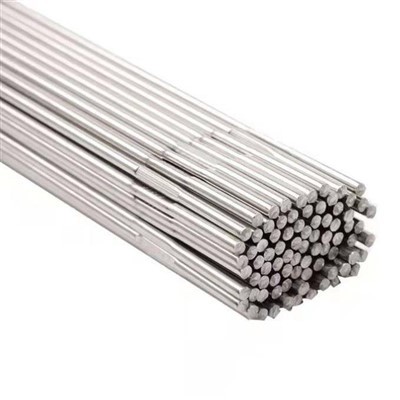
Solar energy is one of the most promising renewable energy sources, with the potential to significantly reduce our reliance on fossil fuels and mitigate the impacts of climate change. As a titanium wire supplier, I often get asked whether titanium wire can be used in solar energy applications. In this blog post, I'll explore the properties of titanium wire and its potential uses in the solar energy sector.
Properties of Titanium Wire
Titanium is a remarkable metal known for its exceptional strength - to - weight ratio, high corrosion resistance, and excellent biocompatibility. When drawn into wire, these properties are retained and can be harnessed for various applications.
The high strength - to - weight ratio of titanium is a key advantage. Titanium wire is much lighter than steel wire of the same strength, which is crucial in applications where weight is a concern. For example, in solar panel installations on rooftops or in space - based solar power systems, reducing weight can lead to lower installation costs and less stress on supporting structures.
Corrosion resistance is another outstanding property. Titanium forms a thin, stable oxide layer on its surface when exposed to oxygen, which acts as a protective barrier against corrosion. This makes titanium wire highly resistant to a wide range of corrosive environments, including those with high humidity, saltwater exposure, or acidic conditions. In the solar energy field, where panels and related equipment are often installed outdoors and exposed to harsh weather conditions, corrosion - resistant materials are essential for long - term reliability.
Potential Applications of Titanium Wire in Solar Energy
Solar Panel Frames and Supports
Solar panels need sturdy frames and supports to hold them in place and protect them from the elements. Titanium wire can be used in the construction of these frames. Its high strength ensures that the frames can withstand wind, snow, and other environmental forces, while its corrosion resistance means that the frames will not rust or deteriorate over time. Compared to traditional materials like aluminum, titanium wire can provide a longer service life, reducing the need for frequent replacements and maintenance.
Electrical Conductors and Connectors
Although titanium is not as good a conductor as copper or silver, it can still be used in certain electrical applications within solar energy systems. For instance, in some cases where corrosion resistance is more important than high conductivity, titanium wire can be used as electrical connectors. The stable oxide layer on titanium also helps to prevent oxidation of the wire, which can improve the long - term performance of electrical connections. Additionally, in high - temperature solar applications, titanium's ability to maintain its mechanical and electrical properties at elevated temperatures makes it a suitable candidate for electrical components.
Tracking Systems
Solar tracking systems are designed to adjust the orientation of solar panels to follow the sun's path, maximizing the amount of sunlight they receive. Titanium wire can be used in the mechanical components of these tracking systems, such as cables and linkages. Its high strength and light weight allow for more efficient movement of the panels, reducing the energy required to operate the tracking system. Moreover, the corrosion resistance ensures that the components will not fail due to rust or degradation, even in outdoor environments.
Advantages of Using Titanium Wire in Solar Energy Applications
- Long - term Durability: As mentioned earlier, the corrosion resistance and high strength of titanium wire contribute to its long - term durability. Solar energy systems are often expected to have a lifespan of 20 - 30 years or more. Using titanium wire can help ensure that the components of these systems remain functional and reliable throughout their intended service life, reducing the overall cost of ownership.
- Reduced Maintenance: Since titanium wire is resistant to corrosion and wear, it requires less maintenance compared to other materials. This is particularly important for large - scale solar farms or remote solar installations, where access for maintenance can be difficult and expensive.
- Sustainability: Titanium is a relatively abundant element in the earth's crust, and its extraction and processing technologies are becoming more environmentally friendly. Using titanium wire in solar energy applications can contribute to the overall sustainability of the solar energy sector.
Challenges and Considerations
- Cost: Titanium is generally more expensive than other common metals like aluminum and steel. The higher cost of titanium wire may be a deterrent for some solar energy projects, especially those with tight budgets. However, when considering the long - term benefits such as reduced maintenance and longer service life, the cost - effectiveness of titanium wire may be more apparent.
- Processing Difficulty: Titanium is more difficult to process than some other metals. Specialized equipment and techniques are required to draw titanium into wire and shape it into the desired components. This can add to the manufacturing cost and complexity.
Conclusion
In conclusion, titanium wire has significant potential for use in solar energy applications. Its unique properties of high strength - to - weight ratio, corrosion resistance, and high - temperature stability make it suitable for a variety of components in solar panels, tracking systems, and electrical connections. While there are challenges such as cost and processing difficulty, the long - term durability and reduced maintenance offered by titanium wire can make it a valuable investment in the solar energy sector.
If you are involved in solar energy projects and are interested in exploring the use of titanium wire, I would be more than happy to discuss your specific needs. As a titanium wire supplier, I can offer a wide range of Titanium Alloy Wire and Titanium Line products to meet your requirements. Please feel free to reach out to me for more information and to start a procurement discussion.


References
- "Titanium: Properties, Production, and Applications", ASM International
- "Solar Energy Engineering: Processes and Systems", John Wiley & Sons
- Research papers on the use of advanced materials in solar energy applications from scientific journals such as "Solar Energy Materials and Solar Cells"