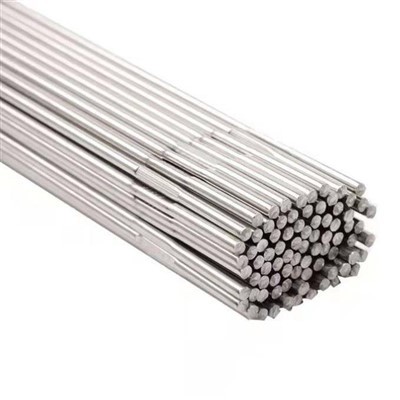
Titanium sponge, a key intermediate product in the titanium production process, holds significant importance in various industries. As a renowned titanium sponge supplier, we understand the ins and outs of this remarkable material, especially its casting properties. In this blog post, we'll delve deep into the casting characteristics of titanium sponge, exploring why it's a preferred choice for many casting applications.
1. Physical Properties Affecting Casting
Titanium sponge is characterized by its low density and high strength - to - weight ratio. With a density of about 4.5 g/cm³, much lower than traditional metals like steel, it offers a distinct advantage in applications where weight is a critical factor, such as aerospace components. The high strength - to - weight ratio implies that castings made from titanium sponge can withstand substantial loads while remaining relatively light.
Another crucial physical property is its melting point, which is around 1668°C. This relatively high melting point requires specialized melting equipment and techniques during the casting process. However, it also endows the castings with excellent high - temperature performance. Titanium sponge castings can maintain their mechanical integrity and dimensional stability at elevated temperatures, making them suitable for use in engines and other high - heat environments.
2. Chemical Properties and Their Impact on Casting
Chemically, titanium is highly reactive, especially at high temperatures. When titanium sponge is melted for casting, it readily reacts with oxygen, nitrogen, and hydrogen in the atmosphere. This reactivity can lead to the formation of brittle compounds on the surface of the castings, which can significantly degrade their mechanical properties. To mitigate this, the casting process must be carried out in an inert gas atmosphere, typically argon, to prevent these unwanted reactions.
Despite its reactivity, titanium sponge offers excellent corrosion resistance. Once a cast part is formed, it develops a thin, protective oxide layer on the surface, which acts as a barrier against further corrosion. This property makes titanium sponge castings ideal for applications in harsh chemical environments, such as in the chemical processing and marine industries.
3. Fluidity During Casting
The fluidity of the molten titanium sponge during casting is a vital factor that determines the quality of the final castings. Good fluidity allows the molten metal to fill the intricate details of the mold cavity, resulting in castings with high dimensional accuracy and smooth surfaces.
The fluidity of titanium sponge is influenced by several factors. Firstly, the melting temperature plays a crucial role. Higher melting temperatures generally increase fluidity, but as mentioned earlier, the high melting point of titanium also requires careful control to avoid excessive energy consumption and potential damage to the equipment.
Secondly, the composition of the titanium sponge can affect fluidity. Impurities and alloying elements can either enhance or reduce fluidity. Our company, as a professional titanium sponge supplier, ensures that our products have a consistent composition, which helps to maintain optimal fluidity during casting.
4. Shrinkage During Solidification
Like all metals, titanium sponge undergoes shrinkage during the solidification process. This shrinkage can lead to the formation of defects such as porosity and shrinkage cavities in the castings if not properly managed.


The amount of shrinkage depends on various factors, including the casting design, cooling rate, and the specific composition of the titanium sponge. To minimize the negative effects of shrinkage, proper gating and risering systems need to be designed. These systems ensure a continuous supply of molten metal to compensate for the shrinkage during solidification.
Our experience as a titanium sponge supplier has allowed us to work closely with foundries to optimize the casting process and minimize shrinkage - related defects. We provide detailed technical support to help our customers achieve high - quality castings.
5. Machinability of Titanium Sponge Castings
After casting, the machinability of the titanium sponge castings is an important consideration. Compared to some other metals, titanium can be challenging to machine due to its high strength and low thermal conductivity. However, the castings made from high - quality titanium sponge can be machined effectively with the right tools and techniques.
Proper tool selection and cutting parameters are crucial for successful machining of titanium sponge castings. For example, using carbide - tipped tools and appropriate cutting speeds and feeds can help to reduce tool wear and improve the surface finish of the machined parts.
6. Applications Leveraging Casting Properties
The unique casting properties of titanium sponge make it suitable for a wide range of applications. In the aerospace industry, titanium sponge castings are used for components such as engine parts, landing gear, and structural elements. The high strength - to - weight ratio and excellent high - temperature performance meet the demanding requirements of this industry.
In the medical field, titanium sponge castings are used to make implants. The biocompatibility of titanium, combined with its corrosion resistance, ensures that the implants are safe and can function effectively in the human body for a long time.
The automotive industry also benefits from the casting properties of titanium sponge. Lightweight castings can improve fuel efficiency and vehicle performance. Components such as exhaust systems, suspension parts, and engine blocks can be made from titanium sponge castings.
7. Our Product Offerings
We, as a reliable titanium sponge supplier, offer a variety of titanium sponge products to meet different casting needs. In addition to our standard titanium sponge, we also provide Pure Titanium Powder and Titanium Sponge Powder. These products are carefully processed to ensure high purity and consistent quality.
Our pure titanium powder is ideal for applications that require fine - grained and high - purity materials. It can be used in powder metallurgy and additive manufacturing processes, where precise control of the material properties is essential.
The titanium sponge powder, on the other hand, is suitable for a variety of casting and sintering applications. It offers good compressibility and reactivity, which can enhance the casting process and the performance of the final products.
8. Looking to the Future
With the continuous development of technology, the demand for high - performance titanium sponge castings is expected to grow. We are committed to further improving our product quality and expanding our product range. We will invest in research and development to explore new applications of titanium sponge and develop new casting techniques to improve the efficiency and quality of the casting process.
9. Contact Us for Purchasing
If you are interested in our titanium sponge products or have any questions about the casting properties of titanium sponge, please feel free to contact us. Our experienced sales team is ready to provide you with detailed product information and technical support. We look forward to establishing long - term business relationships with you and helping you succeed in your casting projects.
References
- "Titanium: A Technical Guide" by John H. Carr, et al.
- "The Science and Technology of Titanium" edited by R. I. Jaffee and N. E. Promisel.
- Various industry reports and research papers on titanium casting technology.