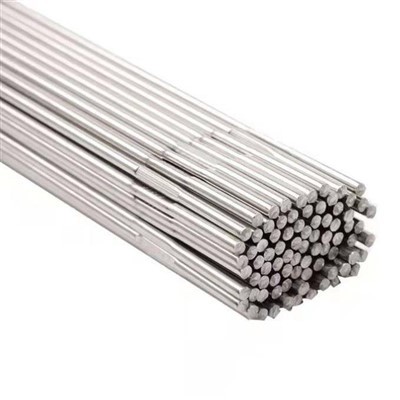
Hey there! As a supplier of titanium round rods, I've seen firsthand how temperature can play a huge role in the properties of these amazing metal rods. Today, I'm gonna break down how different temperatures affect titanium round rods, and why it matters for you, whether you're in the aerospace, medical, or any other industry that uses these rods.
Low - Temperature Effects on Titanium Round Rods
Let's start with the low - end of the temperature spectrum. At low temperatures, titanium round rods actually show some pretty cool (pun intended) characteristics.
First off, their strength tends to increase. Titanium has a body - centered cubic (BCC) crystal structure at high temperatures, but as it cools down, it can transform into a hexagonal close - packed (HCP) structure in some cases. This structural change can lead to an increase in the rod's strength. For example, in cryogenic applications where temperatures can drop well below zero, titanium round rods can maintain their integrity and even become stronger than at room temperature.
However, there's a bit of a trade - off. The ductility of titanium round rods decreases at low temperatures. Ductility is the ability of a material to deform under tensile stress without breaking. When it's cold, the atoms in the titanium lattice have less energy to move around, making the rod more brittle. So, if you try to bend or shape a titanium round rod at a very low temperature, there's a higher risk of it cracking or fracturing.
Room - Temperature Properties
At room temperature, titanium round rods are in a sort of sweet spot. They have a good balance of strength and ductility. Titanium is known for its high strength - to - weight ratio, which means it can withstand a lot of stress while being relatively lightweight. This makes it a popular choice for many applications, like in the construction of aircraft parts and sports equipment.
The corrosion resistance of titanium round rods at room temperature is also outstanding. Titanium forms a thin, protective oxide layer on its surface when exposed to oxygen. This layer acts as a barrier, preventing further corrosion from occurring. So, even if you use these rods in environments where they're exposed to moisture or chemicals, they'll last a long time without rusting or deteriorating.
High - Temperature Effects
Now, let's talk about high temperatures. When titanium round rods are heated up, things start to change pretty rapidly.
As the temperature rises, the strength of the rod begins to decline. The increased thermal energy causes the atoms in the titanium lattice to vibrate more vigorously, which weakens the bonds between them. This means that the rod can't withstand as much stress as it could at lower temperatures. For instance, in a high - temperature industrial process, a titanium round rod might start to deform under loads that it could easily handle at room temperature.
Another significant change at high temperatures is the oxidation rate. The protective oxide layer that forms at room temperature can break down at very high temperatures, and the titanium can start to react more aggressively with oxygen in the air. This can lead to the formation of thicker oxide layers, which can be brittle and may flake off. Once the oxide layer is damaged, the underlying titanium is more vulnerable to corrosion.
But it's not all bad news. Titanium has a relatively high melting point (around 1668°C or 3034°F), which means it can still be used in high - temperature applications as long as the temperature doesn't get too close to its melting point. And in some cases, heat - treating titanium round rods at specific high temperatures can be used to modify their microstructure and improve certain properties.

Impact on Different Applications
The temperature - related properties of titanium round rods have a big impact on various industries.
In the aerospace industry, for example, parts made from titanium round rods need to withstand a wide range of temperatures. During takeoff and flight, the aircraft is exposed to different temperature zones. The low temperatures at high altitudes and the high temperatures generated by the engines both need to be considered. Engineers have to carefully select the right type of titanium and design the parts in a way that they can handle these temperature variations without failing.
In the medical field, titanium round rods are used for implants. These implants are in a relatively stable temperature environment (body temperature), but it's still important that the material maintains its strength and biocompatibility. The high corrosion resistance at body temperature ensures that the implants won't cause any adverse reactions in the body over time.
Related Titanium Products
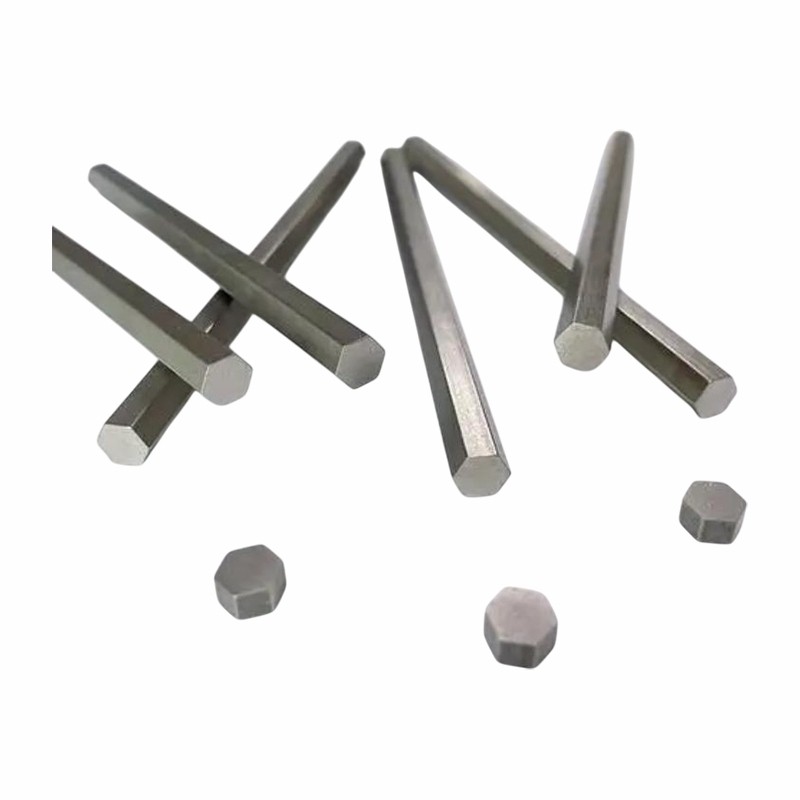
If you're interested in other forms of titanium, we also offer Titanium Square Bar, Titanium Hex Bar, and Titanium Forging Bar. These products have their own unique properties and applications, and the temperature effects on them are also worth exploring depending on your specific needs.
Conclusion
In conclusion, temperature has a profound impact on the properties of titanium round rods. Whether it's the increase in strength at low temperatures, the balanced properties at room temperature, or the changes in strength and corrosion resistance at high temperatures, understanding these effects is crucial for making the right decisions when using these rods.
If you're in the market for high - quality titanium round rods or any of our other titanium products, I'd love to have a chat with you. We can discuss your specific requirements and how temperature might play a role in your application. Reach out to us, and let's start a conversation about how we can meet your titanium needs.
References
- "Titanium: A Technical Guide" by John C. Williams
- "Materials Science and Engineering: An Introduction" by William D. Callister Jr. and David G. Rethwisch