


Hey there! As a titanium flange supplier, I've seen my fair share of damaged flanges over the years. Titanium flanges are known for their durability and corrosion resistance, but they're not invincible. In this blog, I'll share some of the signs that your titanium flanges might be damaged and what you can do about it.
1. Surface Discoloration
One of the first signs that something might be wrong with your titanium flanges is surface discoloration. Titanium usually has a silver - gray color. If you notice that the flanges are turning a different color, like brown, blue, or black, it could be a sign of damage.
Brown discoloration might be due to oxidation. Titanium forms a thin oxide layer naturally, but excessive oxidation can occur when the flanges are exposed to high temperatures or certain chemicals. Blue or black discoloration can be a sign of more severe damage, often related to overheating during manufacturing or in - service use. For instance, if the flanges are used in a high - temperature industrial process and the cooling system fails, the temperature can spike, causing this discoloration.
When you see surface discoloration, it's a good idea to inspect the flanges more closely. Check if the discoloration is just on the surface or if it has penetrated deeper into the material. You can use a simple magnifying glass to get a better look. If the discoloration is widespread and has affected the structural integrity, it might be time to replace the flanges.
2. Cracks
Cracks are a major red flag when it comes to damaged titanium flanges. Cracks can occur due to a variety of reasons, such as mechanical stress, thermal stress, or fatigue.
Mechanical stress can happen when the flanges are over - tightened during installation. If the bolts are tightened beyond the recommended torque, it can cause the flange to crack. Thermal stress occurs when there are rapid temperature changes. For example, in a process where the flanges are suddenly exposed to very high temperatures and then cooled down quickly, the material expands and contracts rapidly, which can lead to cracking.
Fatigue cracks are more common in flanges that are subject to repeated loading and unloading. In industries like oil and gas, where the flanges are constantly under pressure fluctuations, fatigue cracks can develop over time. You can often spot cracks with the naked eye, especially if they're on the surface. However, some cracks might be hidden, so it's a good idea to use non - destructive testing methods like ultrasonic testing or dye penetrant testing.
If you find a crack in a titanium flange, it's important to act fast. A small crack can grow over time and lead to a catastrophic failure, which can be dangerous and costly. Depending on the size and location of the crack, you might be able to repair it, but in most cases, it's safer to replace the flange.
3. Pitting
Pitting is another form of damage that can occur in titanium flanges. Pitting looks like small holes or depressions on the surface of the flange. It's usually caused by corrosion, especially in environments where there are aggressive chemicals or high levels of chloride.
Chloride ions can break down the protective oxide layer on the titanium surface, allowing corrosion to occur. In marine applications, for example, the high salt content in the water can cause pitting in titanium flanges. Pitting can weaken the flange over time and reduce its ability to withstand pressure.
To check for pitting, you can visually inspect the flanges. Look for small, round holes on the surface. You can also use a surface profilometer to measure the depth of the pits. If the pitting is severe, it can compromise the integrity of the flange, and replacement might be necessary.
4. Deformation
Deformation of titanium flanges can be a sign of significant damage. Flanges can deform due to excessive pressure, improper installation, or external forces.
If the flanges are installed in a system where the pressure exceeds the design limits, they can start to deform. The flange might bulge or warp, which can affect the sealing performance. Improper installation, such as misalignment of the flanges or using the wrong gasket, can also cause deformation over time.
External forces, like impacts or vibrations, can also lead to flange deformation. In a manufacturing plant, for example, if a heavy object accidentally hits a flange, it can cause it to deform. You can usually tell if a flange is deformed by looking at its shape. If it's no longer flat or has an irregular appearance, it's likely deformed.
Deformed flanges might not be able to provide a proper seal, which can lead to leaks. In most cases, deformed flanges need to be replaced to ensure the safety and efficiency of the system.
5. Leakage
Leakage is perhaps the most obvious sign that there's something wrong with your titanium flanges. Leakage can occur due to a combination of factors, such as damaged gaskets, cracked flanges, or improper installation.
If a gasket is damaged or not installed correctly, it can allow fluid or gas to escape from the flange joint. A cracked flange can also cause leakage, as the crack provides a pathway for the fluid or gas to seep through. Improper installation, like uneven tightening of the bolts, can lead to an uneven seal and cause leakage.
When you notice a leak, it's important to shut down the system immediately to prevent further damage and ensure safety. Then, you need to identify the source of the leak. Check the gasket first to see if it's damaged. If the gasket is fine, inspect the flange for cracks or deformation.
How to Prevent Damage
To prevent damage to your titanium flanges, it's important to follow proper installation procedures. Make sure to use the correct torque when tightening the bolts, and use the right type of gasket for your application. Regular maintenance and inspection are also crucial. Check the flanges periodically for signs of damage, and address any issues as soon as you find them.
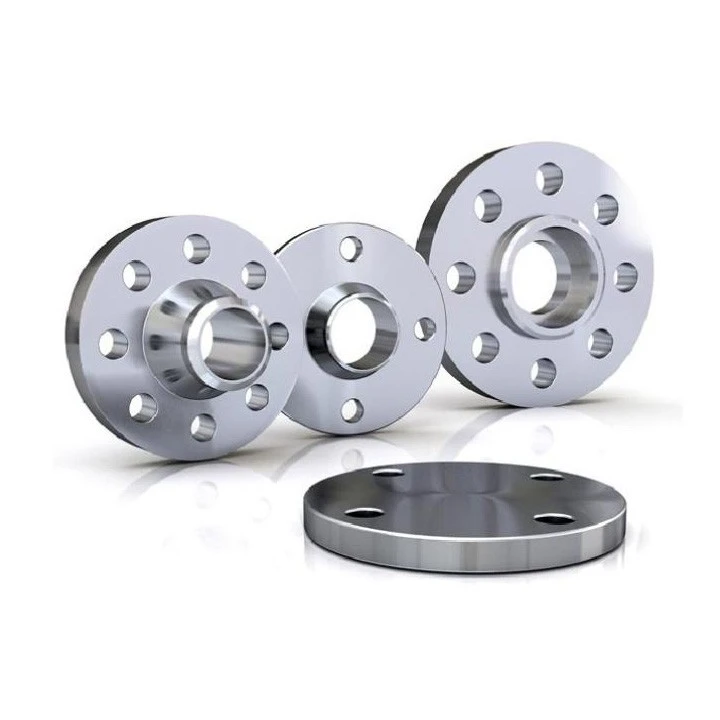
If you're in the market for high - quality titanium flanges, we've got you covered. We offer a wide range of titanium flanges, including Titanium Threaded Flange and Titanium Blind Flange. Our flanges are made from top - grade titanium and are designed to meet the highest standards of quality and performance.

If you have any questions about our titanium flanges or if you're interested in a purchase, don't hesitate to reach out. We're here to help you find the right flanges for your needs and ensure that they perform well in your application. Contact us today to start the procurement process and let's work together to keep your systems running smoothly.
References
- ASME Boiler and Pressure Vessel Code
- ASTM International Standards for Titanium Alloys
- NACE International Corrosion Handbook


