Molybdenum is a chemical element that has gained significant attention in various industries due to its unique properties. As a supplier of molybdenum products, I often receive inquiries about the potential use of these products in food - related industries. In this blog, we will explore whether molybdenum products can be used in food - related industries, taking into account scientific facts and industry standards.


Properties of Molybdenum
Molybdenum is a refractory metal with high melting point, excellent thermal conductivity, and good mechanical strength at high temperatures. These properties make it suitable for a wide range of industrial applications, such as in the aerospace, electronics, and metallurgical industries. But when it comes to food - related industries, we need to consider its safety and functionality.
Molybdenum in the Human Body
First of all, it's important to note that molybdenum is an essential trace element for human health. It plays a crucial role in several enzymatic reactions in the body, including those involved in the metabolism of sulfur - containing amino acids, purines, and aldehydes. The recommended dietary allowance (RDA) for molybdenum in adults is around 45 micrograms per day. This indicates that a certain amount of molybdenum is beneficial and safe for human consumption.
Molybdenum Products in Food - Contact Applications
-
Molybdenum in Food Processing Equipment
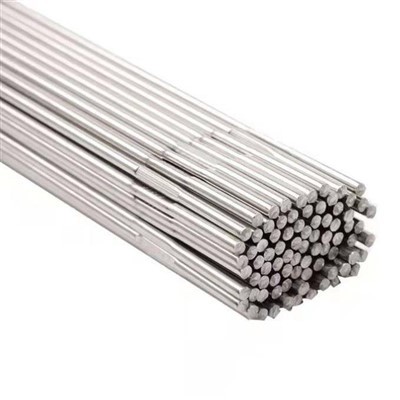
- Molybdenum alloys can be used in the manufacturing of food processing equipment. For example, Molybdenum Electrode Bar can be used in some electrical heating elements in food processing machinery. The high - temperature stability of molybdenum ensures that the equipment can operate efficiently during processes like baking, frying, or pasteurization.
- Molybdenum - based materials can also be used in the construction of parts that come into contact with food, such as conveyor belts in food factories. The wear - resistance and corrosion - resistance properties of molybdenum alloys make them suitable for withstanding the harsh conditions in food processing environments, including exposure to various food ingredients, cleaning agents, and high - pressure washing.
-
Molybdenum in Food Packaging
- Molybdenum Foil could potentially be used in food packaging applications. Molybdenum foil has good barrier properties against oxygen and moisture. This can help to extend the shelf - life of food products by preventing oxidation and spoilage. For example, in the packaging of dried fruits or nuts, molybdenum foil could be used as an inner layer to protect the food from environmental factors.
- However, when using molybdenum foil in food packaging, strict regulations need to be followed to ensure that there is no migration of molybdenum into the food. The food safety authorities have set limits on the amount of substances that can migrate from packaging materials into food to protect consumer health.
-
Molybdenum in Food Additives
- In some cases, molybdenum compounds can be used as food additives. For example, ammonium molybdate can be used as a nutrient supplement in animal feed. Since molybdenum is an essential element for animals, adding a small amount of molybdenum compounds to the feed can help to maintain the health and growth of livestock and poultry.
- In human food, the use of molybdenum as an additive is more restricted. It is mainly limited to fortified foods where the addition of molybdenum is carefully regulated to meet the nutritional requirements without exceeding the safe limits.
Safety Considerations
- Toxicity of Molybdenum
- Although molybdenum is an essential element, excessive intake can be toxic. High levels of molybdenum in the body can interfere with the metabolism of copper and cause copper deficiency. Symptoms of molybdenum toxicity may include joint pain, anemia, and growth retardation in animals.
- Therefore, when using molybdenum products in food - related industries, it is crucial to ensure that the amount of molybdenum that comes into contact with food is within the safe limits set by relevant regulatory agencies.
- Regulatory Compliance
- Different countries have different regulations regarding the use of molybdenum in food - related industries. For example, in the United States, the Food and Drug Administration (FDA) has specific guidelines on the use of food - contact materials and food additives. Any molybdenum - based product used in food applications must comply with these regulations to ensure consumer safety.
- As a molybdenum products supplier, we are committed to providing products that meet all relevant safety and regulatory standards. We conduct thorough testing on our products to ensure that they are suitable for use in food - related industries.
Advantages and Challenges of Using Molybdenum Products in Food - Related Industries
- Advantages
- High - Performance Materials: Molybdenum products offer excellent mechanical and thermal properties, which can improve the efficiency and durability of food processing equipment and packaging.
- Nutritional Aspect: As an essential trace element, a small amount of molybdenum can contribute to the nutritional value of food or animal feed.
- Challenges
- Regulatory Hurdles: Complying with the complex regulations in different countries can be a challenge for both suppliers and users of molybdenum products in food - related industries.
- Cost: Molybdenum is a relatively rare metal, and the production of high - quality molybdenum products can be costly. This may increase the overall cost of food processing or packaging.
Conclusion
In conclusion, molybdenum products can be used in food - related industries, but with strict safety and regulatory considerations. From food processing equipment to packaging and even as food additives in some cases, molybdenum offers unique properties that can benefit the food industry. As a trusted molybdenum products supplier, we have the expertise and commitment to provide high - quality products that meet the safety and performance requirements of the food - related industries.
If you are interested in exploring the use of molybdenum products in your food - related business, whether it's Molybdenum Electrode Bar, Molybdenum Foil, or Molybdenum Plate, please contact us for more information and to discuss your specific needs. We are ready to have in - depth procurement discussions with you to find the best solutions for your business.
References
- Institute of Medicine (US) Panel on Micronutrients. Dietary Reference Intakes for Vitamin A, Vitamin K, Arsenic, Boron, Chromium, Copper, Iodine, Iron, Manganese, Molybdenum, Nickel, Silicon, Vanadium, and Zinc. Washington (DC): National Academies Press (US); 2001. Molybdenum. Available from: https://www.ncbi.nlm.nih.gov/books/NBK22242/
- Food and Drug Administration (FDA). Code of Federal Regulations Title 21 - Food and Drugs. Available from: https://www.accessdata.fda.gov/scripts/cdrh/cfdocs/cfcfr/CFRSearch.cfm?CFRPart=21