Hey there! As a supplier of Titanium Hex Bars, I often get asked whether these bars can be used in automotive applications. Well, let's dive right into it and explore this topic in detail.
First off, let's talk a bit about what Titanium Hex Bars are. They're made from titanium, a super - cool metal known for its amazing properties. Titanium is lightweight, yet incredibly strong. It has a high strength - to - weight ratio, which means you get a lot of strength without adding too much extra weight. This is a huge plus in the automotive world, where every pound matters.
When it comes to automotive applications, weight reduction is a major goal. Lighter vehicles are more fuel - efficient. They can accelerate faster and handle better. Titanium Hex Bars can play a big role here. For example, in the engine components, using titanium parts can reduce the overall weight of the engine. This means less energy is needed to move the engine, which in turn saves fuel.
Another area where Titanium Hex Bars can be useful is in the suspension system. The suspension has to be strong enough to handle the bumps and turns on the road, but it also needs to be light. Titanium's high strength allows the suspension components made from Titanium Hex Bars to withstand the forces exerted on them. And because it's light, it doesn't add unnecessary weight to the vehicle, improving the overall ride quality.
Now, let's touch on corrosion resistance. Automotive parts are often exposed to harsh environments, like salt on the roads during winter or moisture from rain. Titanium is highly resistant to corrosion. This means that parts made from Titanium Hex Bars will last longer and won't rust or corrode easily. This is a huge advantage, as it reduces the need for frequent replacements and maintenance.
But it's not all sunshine and rainbows. There are some challenges when using Titanium Hex Bars in automotive applications. One of the main issues is cost. Titanium is more expensive than traditional metals like steel or aluminum. This can drive up the production cost of vehicles. However, as technology advances and the production process becomes more efficient, the cost is gradually coming down.
Another challenge is the machining process. Titanium is a difficult metal to machine. It requires specialized tools and techniques. But with the right expertise and equipment, this challenge can be overcome.
Let's take a look at some specific automotive parts where Titanium Hex Bars could be used. The exhaust system is a great candidate. Exhaust systems need to be lightweight to improve performance and also resistant to high temperatures and corrosion. Titanium's properties make it a perfect fit for this application.
The fasteners in a vehicle can also benefit from Titanium Hex Bars. Fasteners need to be strong to hold parts together securely, and titanium's high strength makes it an ideal material. Plus, its corrosion resistance ensures that the fasteners won't loosen or break due to rust.
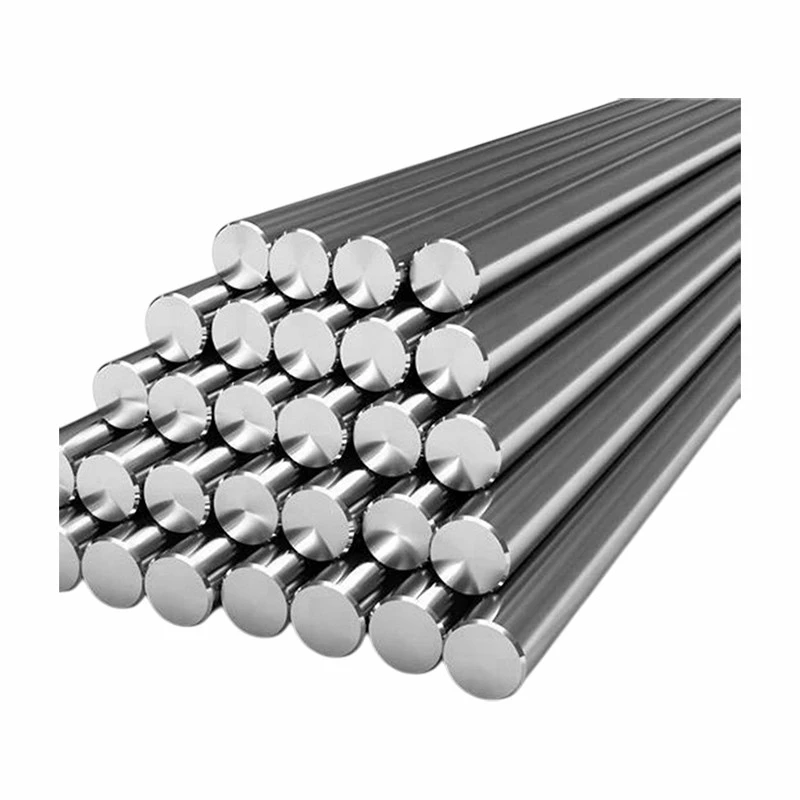

Now, if you're in the automotive industry and thinking about using Titanium Hex Bars, you might also be interested in related products. We also supply Titanium Round Rod, which can be used in various automotive applications as well. The round shape might be more suitable for certain parts where a hex shape isn't required.
Titanium Alloy Rod is another option. By combining titanium with other metals, we can create alloys with even better properties for specific automotive needs. For example, some alloys might have even higher strength or better heat resistance.
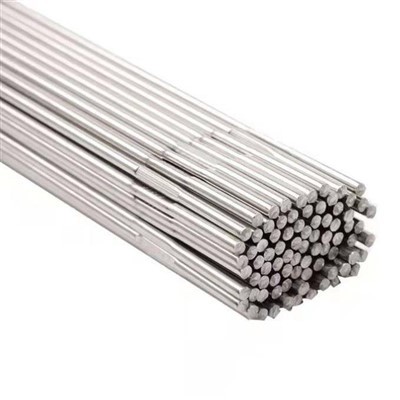
And if you're involved in the welding process of automotive parts, our Titanium Filler Rod Welding products can be a great addition. They ensure strong and reliable welds when working with titanium parts.
In conclusion, Titanium Hex Bars definitely have a place in automotive applications. Their lightweight, high - strength, and corrosion - resistant properties make them a great choice for many automotive parts. Although there are some challenges like cost and machining, the benefits outweigh the drawbacks. As the automotive industry continues to strive for better performance and efficiency, titanium is likely to become an even more popular choice.
If you're interested in learning more about our Titanium Hex Bars or any of our other products, or if you're looking to start a procurement discussion, don't hesitate to reach out. We're here to help you find the best titanium solutions for your automotive needs.
References
- "The Properties and Applications of Titanium" - Metallurgy Journal
- "Automotive Design and Material Selection" - Automotive Engineering Magazine