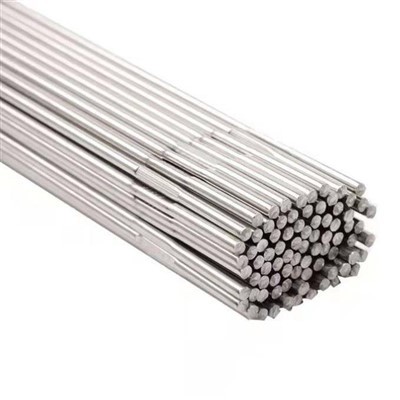
Hey there! As a supplier of tungsten products, I'm super excited to share with you all the different surface treatments available for these amazing materials. Tungsten is an incredibly versatile metal, known for its high melting point, density, and strength. Whether you're using Tungsten Flat Bar, Tungsten Crucibles, or Tungsten Alloy Plate, the right surface treatment can enhance its performance and durability.


Oxide Coating
One of the most common surface treatments for tungsten products is oxide coating. This process involves creating a thin layer of oxide on the surface of the tungsten. Oxide coatings can improve the oxidation resistance of tungsten, especially at high temperatures. When tungsten is exposed to air at elevated temperatures, it can start to oxidize, which can lead to degradation of the material. An oxide coating acts as a barrier, protecting the underlying tungsten from the oxygen in the air.
There are different types of oxide coatings, and the choice depends on the specific application. For example, some oxide coatings are designed to provide good thermal insulation, while others are focused on improving the corrosion resistance. In some cases, the oxide coating can also change the appearance of the tungsten product, giving it a more aesthetically pleasing finish.
Nitriding
Nitriding is another important surface treatment for tungsten. In this process, nitrogen atoms are introduced into the surface layer of the tungsten. Nitriding can significantly increase the hardness and wear resistance of the tungsten. This is especially useful in applications where the tungsten product is subjected to high levels of friction or abrasion.
For instance, if you're using a tungsten tool for machining, nitriding can help the tool last longer and maintain its cutting edge. The nitrided layer forms a hard and tough surface that can withstand the forces exerted during the machining process. There are different methods of nitriding, such as gas nitriding and ion nitriding. Each method has its own advantages and is chosen based on the specific requirements of the tungsten product and the production process.
Electroplating
Electroplating is a well - known surface treatment technique that can also be applied to tungsten products. In electroplating, a thin layer of another metal is deposited onto the surface of the tungsten using an electrolytic process. The choice of the plating metal depends on the desired properties.
For example, plating tungsten with gold can improve its electrical conductivity and give it a beautiful, shiny appearance. Gold - plated tungsten is often used in electronic applications where good electrical contact is required. Silver plating is another option, which can also enhance the electrical and thermal conductivity of the tungsten. Additionally, electroplating can provide corrosion protection, as the plating metal can act as a barrier between the tungsten and the surrounding environment.
Polishing
Polishing is a simple yet effective surface treatment for tungsten. It involves using abrasive materials to smooth the surface of the tungsten product. Polishing can improve the surface finish of the tungsten, making it smoother and more reflective. This can be important for both aesthetic and functional reasons.
From an aesthetic point of view, a polished tungsten product looks more professional and high - quality. In terms of functionality, a smooth surface can reduce friction and improve the flow of fluids around the tungsten component. For example, if you're using a tungsten pipe for fluid transportation, a polished inner surface can help the fluid flow more smoothly, reducing the pressure drop along the pipe. There are different levels of polishing, from a basic rough polish to a high - gloss mirror finish, depending on the requirements of the application.
Coating with Ceramic Materials
Coating tungsten with ceramic materials is becoming increasingly popular. Ceramic coatings can provide excellent heat resistance, wear resistance, and chemical stability. Ceramic materials have high melting points and are resistant to many chemicals, making them ideal for protecting tungsten in harsh environments.
For example, in high - temperature furnaces, a ceramic - coated tungsten crucible can withstand extremely high temperatures without deforming or reacting with the materials inside the crucible. The ceramic coating can also prevent the crucible from sticking to the molten materials, which can simplify the process of removing the contents after heating.
PVD Coating
Physical Vapor Deposition (PVD) is a modern surface treatment technique that can be used for tungsten products. In PVD, a thin film is deposited onto the surface of the tungsten in a vacuum environment. This process allows for precise control of the coating thickness and composition.
PVD coatings can have a wide range of properties, such as high hardness, low friction, and good adhesion. For example, a PVD - coated tungsten cutting tool can have improved cutting performance compared to an uncoated tool. The PVD coating can reduce the cutting forces and improve the chip formation, resulting in better machining efficiency.
Selection of Surface Treatment
When choosing a surface treatment for a tungsten product, several factors need to be considered. First of all, the application of the tungsten product is crucial. If the product is used in a high - temperature environment, then a surface treatment that provides good heat resistance, such as an oxide coating or a ceramic coating, would be a good choice. If it's for a wear - intensive application, nitriding or a hard - coating process might be more suitable.
The cost of the surface treatment is also an important factor. Some surface treatments, like electroplating with precious metals, can be relatively expensive. So, the budget for the production needs to be taken into account. Additionally, the production volume and the production process can influence the choice of the surface treatment. For large - scale production, a surface treatment method that is fast and easy to integrate into the production line is preferred.
Importance of Surface Treatment for Tungsten Products
The surface treatments we've discussed play a vital role in the performance and longevity of tungsten products. They can transform the basic properties of tungsten to meet the specific requirements of different applications. Whether it's improving the hardness, corrosion resistance, electrical conductivity, or just the appearance, the right surface treatment can make a big difference.
As a supplier of tungsten products, I understand the importance of these surface treatments. I work closely with my customers to determine the best surface treatment for their specific needs. Whether you're in the electronics industry, the manufacturing industry, or any other field that uses tungsten, I can help you get the most out of your tungsten products.
If you're interested in our tungsten products and want to discuss the surface treatment options further, or if you have a specific project in mind, don't hesitate to reach out. We're here to provide you with high - quality tungsten products with the best - suited surface treatments.
Conclusion
In conclusion, there are a variety of surface treatments available for tungsten products, each with its own unique benefits. Oxide coating, nitriding, electroplating, polishing, ceramic coating, and PVD coating are just some of the options. The choice of the surface treatment depends on the application, the desired properties, and the production process.
If you're in the market for tungsten products and need advice on the best surface treatment for your specific needs, we're here to assist you. Contact us today to start a discussion about your requirements and how we can provide you with the perfect tungsten solution.
References
- Smith, J. Tungsten Materials and Their Applications. Publisher: ABC Press, 2018.
- Johnson, R. Surface Treatments for Metals. Publisher: XYZ Publications, 2020.
- Brown, L. Advances in Tungsten Technology. Publisher: DEF Books, 2022.