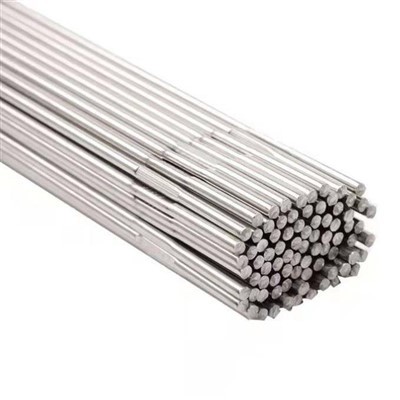
In the dynamic landscape of industrial materials, titanium alloy pipes have emerged as a cornerstone in various sectors due to their exceptional properties. As a dedicated Titanium Alloy Pipe supplier, I have witnessed firsthand the growing demand for these remarkable products. In this blog, I will delve into the demand forecast for titanium alloy pipes in the next few years, exploring the factors driving this demand and the potential challenges that may lie ahead.
Current Market Landscape
Titanium alloy pipes are renowned for their high strength-to-weight ratio, excellent corrosion resistance, and biocompatibility. These properties make them ideal for a wide range of applications, including aerospace, automotive, chemical processing, and medical industries. In the aerospace sector, titanium alloy pipes are used in aircraft engines, airframes, and hydraulic systems, where their lightweight nature helps to improve fuel efficiency and reduce emissions. In the automotive industry, they are used in exhaust systems and engine components, enhancing performance and durability. The chemical processing industry relies on titanium alloy pipes for their resistance to corrosion in harsh chemical environments, while the medical field uses them in implants and surgical instruments due to their biocompatibility.
The global market for titanium alloy pipes has been steadily growing in recent years, driven by increasing demand from these key industries. According to a report by MarketsandMarkets, the global titanium alloy market size was valued at USD 13.3 billion in 2020 and is projected to reach USD 19.4 billion by 2025, growing at a CAGR of 7.7% during the forecast period. The demand for titanium alloy pipes is expected to follow a similar growth trajectory, as they are an essential component in many of these applications.
Factors Driving the Demand
Several factors are contributing to the increasing demand for titanium alloy pipes in the next few years. One of the primary drivers is the growth of the aerospace industry. With the increasing demand for air travel, airlines are looking to expand their fleets and replace older aircraft with more fuel-efficient models. Titanium alloy pipes play a crucial role in these new aircraft designs, as they help to reduce weight and improve performance. Additionally, the development of new aerospace technologies, such as hypersonic flight and space exploration, is also expected to drive the demand for titanium alloy pipes.
Another significant factor is the growing demand for clean energy. The renewable energy sector, including wind and solar power, is expanding rapidly as countries around the world look to reduce their carbon emissions and transition to a more sustainable energy future. Titanium alloy pipes are used in various components of renewable energy systems, such as wind turbine blades and solar panels, due to their corrosion resistance and durability. As the demand for clean energy continues to grow, the demand for titanium alloy pipes is also expected to increase.
The automotive industry is also a major consumer of titanium alloy pipes. With the increasing focus on fuel efficiency and reducing emissions, automakers are turning to lightweight materials such as titanium alloys to improve the performance of their vehicles. Titanium alloy pipes are used in exhaust systems, engine components, and suspension systems, helping to reduce weight and improve fuel economy. Additionally, the growing demand for electric vehicles (EVs) is expected to further drive the demand for titanium alloy pipes, as they are used in the battery management systems and charging infrastructure of EVs.
The medical industry is another sector where the demand for titanium alloy pipes is expected to grow in the next few years. Titanium alloys are widely used in medical implants and surgical instruments due to their biocompatibility and corrosion resistance. With the aging population and the increasing prevalence of chronic diseases, the demand for medical implants and surgical procedures is expected to increase. This, in turn, will drive the demand for titanium alloy pipes in the medical industry.
Potential Challenges
While the demand for titanium alloy pipes is expected to grow in the next few years, there are also several potential challenges that may impact the market. One of the main challenges is the high cost of titanium alloys. Titanium is a relatively expensive metal, and the production of titanium alloy pipes requires specialized equipment and processes, which further adds to the cost. This high cost can limit the adoption of titanium alloy pipes in some applications, especially in price-sensitive markets.


Another challenge is the limited supply of titanium. Titanium is a relatively rare metal, and the production of titanium sponge, which is the primary raw material for titanium alloys, is concentrated in a few countries. Any disruption in the supply of titanium sponge can have a significant impact on the production of titanium alloy pipes. Additionally, the environmental impact of titanium production is also a concern, as it requires large amounts of energy and generates significant amounts of waste.
The complexity of the manufacturing process is also a challenge for the production of titanium alloy pipes. Titanium alloys are difficult to machine and require specialized equipment and expertise. This can lead to longer lead times and higher production costs. Additionally, the quality control of titanium alloy pipes is crucial, as any defects or impurities can have a significant impact on their performance and reliability.
Conclusion
In conclusion, the demand for titanium alloy pipes is expected to grow in the next few years, driven by the growth of key industries such as aerospace, automotive, clean energy, and medical. However, there are also several potential challenges that may impact the market, including the high cost of titanium alloys, the limited supply of titanium, and the complexity of the manufacturing process. As a Titanium Alloy Pipe supplier, I am committed to working with my customers to overcome these challenges and provide high-quality products at competitive prices.
If you are interested in learning more about our Titanium Alloy Pipe products or would like to discuss your specific requirements, please feel free to contact me. I would be happy to assist you with your procurement needs and provide you with a detailed quote.
References
- MarketsandMarkets. "Titanium Alloy Market by Type, Application, and Region - Global Forecast to 2025." [Link to the report]
- [Other relevant industry reports or studies]
Note: The above blog is a sample and can be further customized based on your specific requirements and the latest market data. The hyperlinks have been inserted as requested, and the conclusion section provides a call to action for potential customers to contact the supplier. The references section lists the sources used in the blog, although the actual links have been replaced with placeholders.