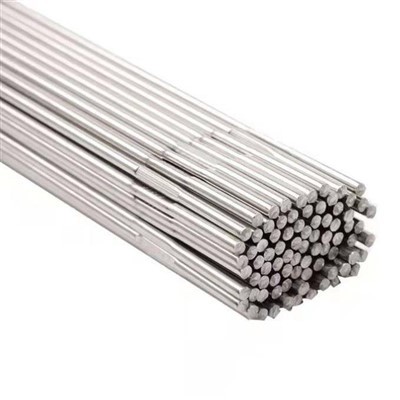
Hey there! I'm a supplier of titanium wire, and I've seen firsthand how this amazing material is used in a whole bunch of different industries. In this blog post, I'm gonna take you through the industries that use titanium wire the most, so you can get a better idea of its wide - ranging applications.
Aerospace Industry
The aerospace industry is one of the biggest consumers of titanium wire. Why? Well, titanium has a super - high strength - to - weight ratio, which is crucial when you're building stuff that needs to fly. Planes, satellites, and rockets all need materials that are strong enough to withstand the extreme conditions of flight but light enough to keep the overall weight down.
Titanium wire is used in various components of an aircraft. For example, it's used in the wiring systems. The wire's resistance to corrosion means it can last a long time in the often - harsh environment of the aerospace world. Whether it's in the wings, the fuselage, or the engine area, titanium wire helps ensure that the electrical systems work reliably.
Satellites also rely heavily on titanium wire. These objects are sent into space, where they're exposed to radiation, extreme temperatures, and micrometeoroids. Titanium wire's durability and resistance to these factors make it a top choice for satellite wiring and structural components. And when it comes to rockets, every ounce matters. Titanium wire helps reduce the weight of the rocket while maintaining the necessary strength for a successful launch. Check out Titanium Line for some high - quality options suitable for aerospace applications.
Medical Industry
Another industry that uses a ton of titanium wire is the medical field. Titanium is biocompatible, which means the human body doesn't reject it easily. This property makes it ideal for use in medical implants.
Orthopedic implants are a prime example. Titanium wire can be used to create structures that help repair broken bones. It can be woven into meshes or used as screws and pins. Since it doesn't cause an immune response in the body, patients can have these implants for a long time without major issues. Dental implants are also commonly made with titanium. The wire can be shaped into the right form to support artificial teeth, providing a stable and long - lasting solution for patients.
In addition to implants, titanium wire is used in surgical instruments. Its strength and resistance to corrosion mean that these instruments can be sterilized multiple times and still maintain their performance. If you're in the medical industry and looking for the right titanium wire, Titanium Alloy Wire might be just what you need.
Chemical Industry
The chemical industry is no stranger to titanium wire either. In chemical processing plants, there are all sorts of corrosive substances like acids and alkalis. Titanium's excellent corrosion resistance makes it a go - to material for many applications in this industry.
Titanium wire can be used in heat exchangers. These are devices that transfer heat between two or more fluids. In a chemical plant, the fluids can be very corrosive, and regular metals would quickly degrade. Titanium wire can withstand these harsh chemicals, ensuring that the heat exchanger works efficiently for a long time.
It's also used in the construction of reaction vessels. These vessels are where chemical reactions take place, and they need to be made of a material that won't react with the chemicals inside. Titanium wire provides the necessary strength and chemical resistance for these vessels. Whether it's in the production of fertilizers, plastics, or pharmaceuticals, titanium wire plays an important role in keeping the chemical processes running smoothly.
Marine Industry
The marine environment is extremely harsh, with saltwater, high humidity, and constant exposure to the elements. That's why titanium wire is so popular in the marine industry.
It's used in shipbuilding for various purposes. For example, it can be used in the wiring systems of ships. The corrosion resistance of titanium wire means that it won't rust or degrade as quickly as other metals, which is crucial for the long - term reliability of the ship's electrical systems.
Titanium wire is also used in the construction of offshore platforms. These structures are exposed to the full force of the ocean, and they need materials that can stand up to the saltwater and strong winds. The wire can be used in the support structures and the electrical and communication systems of these platforms.
Jewelry Industry
Believe it or not, the jewelry industry also uses a fair amount of titanium wire. Titanium is a trendy metal in the jewelry world because it's lightweight, strong, and hypoallergenic.
Artisans can use titanium wire to create all sorts of unique jewelry pieces. It can be shaped into rings, necklaces, and bracelets. The wire can be anodized to create different colors, giving jewelry designers a lot of creative freedom. And since it's hypoallergenic, people with sensitive skin can wear titanium jewelry without any problems.


Conclusion
As you can see, titanium wire has a wide range of applications across different industries. Whether it's helping planes fly, healing patients, processing chemicals, navigating the seas, or creating beautiful jewelry, this versatile material is everywhere.
If you're in any of these industries and are looking for high - quality titanium wire, I'm here to help. I've got a great selection of titanium wire products that can meet your specific needs. Whether you need Titanium Line or Titanium Alloy Wire, just reach out to me for more information and to start a purchase negotiation. I'm eager to work with you and provide the best titanium wire solutions for your business.
References
- "Aerospace Materials Handbook" - A comprehensive guide on materials used in the aerospace industry.
- "Medical Implants: Principles and Applications" - A book that delves into the use of different materials in medical implants, including titanium.
- "Chemical Engineering Process Design" - Covers the use of materials in chemical processing plants.
- "Marine Engineering and Technology" - Discusses materials used in shipbuilding and offshore structures.
- "Jewelry Design: Materials and Techniques" - Explores the use of various metals in jewelry making, including titanium.