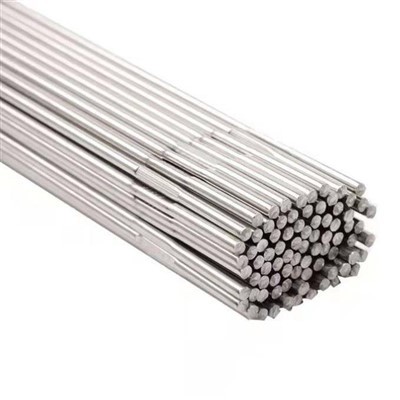
Hey there! As a supplier of Titanium Round Rod, I often get asked about the best cutting tools for these rods. Titanium is a super cool metal, but it can be a bit of a challenge to cut due to its high strength, low thermal conductivity, and tendency to work - harden. So, let's dive into the types of cutting tools that are suitable for titanium round rods.
High - Speed Steel (HSS) Tools
First up, we've got High - Speed Steel tools. HSS tools have been around for ages and are still a popular choice in many workshops. They're made from an alloy that can withstand high temperatures without losing their hardness.
The good thing about HSS tools is that they're relatively inexpensive compared to some other options. They're also quite versatile and can be used for a variety of cutting operations on titanium round rods, like turning, milling, and drilling.
However, HSS tools do have their limitations when it comes to titanium. Since titanium has low thermal conductivity, heat generated during cutting can build up quickly in the tool. HSS tools may not be able to handle this heat as well as some other materials, which can lead to faster tool wear. So, if you're doing heavy - duty or high - volume cutting of titanium round rods, HSS might not be your best bet.
Carbide Tools
Carbide tools are another great option for cutting titanium round rods. Carbide is a composite material made up of tungsten carbide particles in a cobalt binder. It's extremely hard and has excellent wear resistance.
One of the big advantages of carbide tools is their ability to handle high cutting speeds. They can dissipate heat better than HSS tools, which means they can last longer during the cutting process. Carbide inserts are commonly used in turning and milling operations on titanium round rods.
There are different grades of carbide, and for titanium cutting, you'll want to choose a grade that's specifically designed for this tough material. For example, a grade with a fine - grain structure can provide better edge strength and resistance to chipping.
But carbide tools do come at a higher cost than HSS tools. And they're more brittle, so they need to be used with care. If you apply too much force or have a sudden shock during the cutting process, the carbide tool can break.
Ceramic Tools
Ceramic tools are becoming more popular for cutting titanium round rods. They're made from materials like alumina and silicon nitride. Ceramic tools have extremely high hardness and can operate at very high cutting speeds.
One of the key benefits of ceramic tools is their heat resistance. They can withstand the high temperatures generated during titanium cutting without losing their hardness. This allows for much faster cutting rates compared to HSS or carbide tools.
However, ceramic tools are even more brittle than carbide tools. They require very precise cutting conditions, including the right cutting speed, feed rate, and depth of cut. Any deviation from these optimal conditions can cause the tool to fail. Also, ceramic tools are relatively expensive, so they're usually used for high - precision and high - volume cutting applications.
Diamond Tools
Diamond tools are the ultimate in cutting performance, but they're also the most expensive. There are two main types of diamond tools: natural diamond and synthetic diamond (PCD - Polycrystalline Diamond).
Natural diamond tools are extremely hard and can provide a very smooth finish on titanium round rods. But they're very rare and costly, so they're not commonly used for general titanium cutting.
PCD tools, on the other hand, are more practical. They're made by sintering diamond particles together under high pressure and temperature. PCD tools can handle high cutting speeds and have excellent wear resistance. They're often used in applications where a high - quality surface finish is required, such as in the aerospace industry for cutting titanium components.
But just like ceramic tools, diamond tools are brittle. They need to be used with caution, and the cutting parameters need to be carefully controlled. Also, diamond reacts chemically with titanium at high temperatures, so the cutting process needs to be optimized to minimize this reaction.
Factors to Consider When Choosing a Cutting Tool
When deciding which cutting tool to use for your titanium round rods, there are a few factors you need to take into account.


Cutting Operation
The type of cutting operation you're doing matters a lot. For example, if you're turning a titanium round rod on a lathe, you'll need a different tool than if you're milling it on a machining center. Turning operations usually require a single - point cutting tool, while milling operations use multi - point cutting tools.
Cutting Conditions
The cutting speed, feed rate, and depth of cut all affect the performance of the cutting tool. You need to choose a tool that can handle the specific cutting conditions you'll be working with. For example, if you're using a high cutting speed, you'll want a tool that can dissipate heat effectively.
Cost
Cost is always a consideration. You need to balance the performance of the tool with its price. If you're a small - scale workshop doing occasional titanium cutting, you might be able to get away with using HSS tools. But if you're a large - scale manufacturer with high - volume production, investing in carbide, ceramic, or diamond tools might be more cost - effective in the long run.
Surface Finish Requirements
If you need a very smooth surface finish on your titanium round rods, you'll want to choose a tool that can provide this. Diamond tools are often the best choice for achieving a high - quality surface finish, but as we mentioned, they come at a high cost.
Special Considerations for Titanium Filler Rod Welding
If you're involved in Titanium Filler Rod Welding, the cutting of titanium round rods for filler rod preparation is a crucial step. You need to ensure that the cut ends of the rods are clean and smooth. This might influence your choice of cutting tool. For example, a tool that provides a better surface finish can reduce the amount of post - cutting processing required before welding.
Comparing with Titanium Square Bar
It's also worth comparing the cutting of titanium round rods with Titanium Square Bar. While many of the same cutting tools can be used for both, the shape of the bar can affect the cutting process. For example, a titanium square bar has flat surfaces, which might allow for more stable cutting in some operations compared to a round rod. However, the corners of the square bar can be more prone to chipping during cutting, so you might need to adjust your cutting parameters and tool selection accordingly.
Conclusion
In conclusion, there's no one - size - fits - all answer to the question of what cutting tools are suitable for titanium round rods. Each type of tool - HSS, carbide, ceramic, and diamond - has its own advantages and disadvantages. You need to consider your specific cutting requirements, including the type of operation, cutting conditions, cost, and surface finish needs.
If you're in the market for Titanium Round Rods and need more information about the best cutting tools for your application, or if you have any other questions, don't hesitate to reach out. We're here to help you make the right choices for your business. Whether you're a small - scale workshop or a large - scale manufacturer, we can provide you with high - quality titanium round rods and offer advice on the cutting process. Let's start a conversation about your procurement needs and see how we can work together to achieve your goals.
References
- "Machining of Titanium Alloys" - A technical handbook on the machining processes of titanium alloys.
- Journal articles on cutting tool materials and their performance in titanium cutting.
- Industry reports on the latest trends in titanium cutting technology.