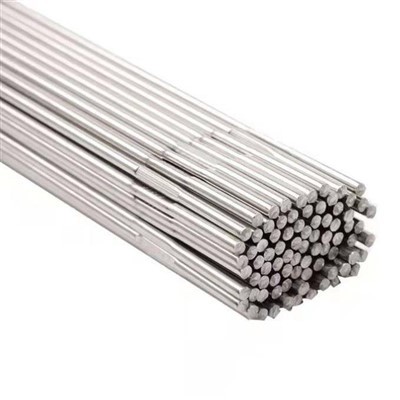
When dealing with titanium round rods, proper cleaning is crucial to maintain their quality, appearance, and performance. As a Titanium Round Rod supplier, I understand the importance of using the right cleaning agents to ensure that these rods remain in optimal condition. In this blog, we'll explore the various cleaning agents suitable for titanium round rods, the factors to consider when choosing them, and some best practices for cleaning.
Why Cleaning Titanium Round Rods Matters
Titanium round rods are widely used in various industries, including aerospace, medical, and automotive, due to their excellent strength - to - weight ratio, corrosion resistance, and biocompatibility. However, during manufacturing, handling, and storage, these rods can accumulate contaminants such as dirt, grease, oil, and metal particles. These contaminants can not only affect the aesthetic appeal of the rods but also potentially compromise their mechanical properties and corrosion resistance. Therefore, regular and proper cleaning is essential to remove these contaminants and extend the lifespan of the titanium round rods.
Factors to Consider When Choosing Cleaning Agents
Before selecting a cleaning agent for titanium round rods, several factors need to be taken into account:
Compatibility
The cleaning agent must be compatible with titanium. Some chemicals can react with titanium, causing corrosion or other forms of damage. For example, strong acids like hydrochloric acid and hydrofluoric acid can attack titanium under certain conditions. Therefore, it's important to choose a cleaning agent that won't cause any adverse chemical reactions with the titanium surface.
Contaminant Type
The type of contaminants on the titanium round rods will determine the appropriate cleaning agent. For example, if the rods are contaminated with grease or oil, a degreaser would be a suitable choice. If there are metal particles or dirt, a mild abrasive cleaner might be more effective.
Environmental Impact
In today's environmentally - conscious world, it's important to consider the environmental impact of the cleaning agents. Some traditional cleaning agents may contain harmful chemicals that can pollute the environment. Therefore, choosing eco - friendly cleaning agents is a responsible option.
Safety
The safety of the cleaning agents for the operators is also a significant factor. Some cleaning agents may be toxic, flammable, or cause skin irritation. It's necessary to ensure that the chosen cleaning agent can be used safely with proper protective equipment.
Suitable Cleaning Agents for Titanium Round Rods
Mild Detergents
Mild detergents are a common and safe choice for cleaning titanium round rods. They are effective in removing dirt, dust, and light grease. Most mild detergents are pH - neutral or slightly alkaline, which means they won't react with the titanium surface. You can simply mix the detergent with water to create a cleaning solution. Then, use a soft cloth or sponge to apply the solution to the rods, and rinse thoroughly with clean water. After rinsing, dry the rods with a clean, soft towel to prevent water spots.
Isopropyl Alcohol
Isopropyl alcohol, also known as rubbing alcohol, is another suitable cleaning agent for titanium round rods. It is effective in removing fingerprints, light oils, and some types of organic contaminants. Isopropyl alcohol evaporates quickly, leaving no residue on the titanium surface. It is relatively safe to use, but it is flammable, so proper safety precautions should be taken. You can apply isopropyl alcohol to a soft cloth and wipe the rods gently.
Citric Acid - Based Cleaners
Citric acid - based cleaners are eco - friendly and relatively mild. They can be used to remove light rust stains and some inorganic contaminants from titanium round rods. Citric acid is a weak acid, so it won't cause significant damage to the titanium surface. However, it's still important to follow the manufacturer's instructions when using citric acid - based cleaners. Usually, you need to soak the rods in the cleaning solution for a certain period and then rinse them thoroughly.
Ammonia - Based Cleaners
Ammonia - based cleaners can be used to clean titanium round rods, especially when dealing with stubborn grease and oil. However, ammonia should be used with caution. It has a strong odor and can be irritating to the eyes, nose, and throat. When using ammonia - based cleaners, make sure to work in a well - ventilated area and wear appropriate protective gear. After cleaning, rinse the rods thoroughly to remove any residual ammonia.


Best Practices for Cleaning Titanium Round Rods
Pre - Cleaning Inspection
Before cleaning the titanium round rods, it's important to conduct a pre - cleaning inspection. Check for any visible damage, such as scratches or dents. If there are any damaged areas, special care should be taken during the cleaning process to avoid further damage.
Test on a Small Area
Before applying a new cleaning agent to the entire titanium round rod, it's advisable to test it on a small, inconspicuous area. This will help you determine if the cleaning agent is compatible with the titanium surface and won't cause any damage.
Use Soft Tools
When cleaning the titanium round rods, use soft tools such as soft cloths, sponges, or brushes with soft bristles. Hard tools can scratch the titanium surface, which may affect its appearance and performance.
Rinse Thoroughly
After cleaning the rods with a cleaning agent, rinse them thoroughly with clean water. This will ensure that all the cleaning agent and contaminants are removed from the surface. Any residual cleaning agent can potentially cause corrosion or other issues over time.
Dry Properly
After rinsing, dry the titanium round rods properly. You can use a clean, soft towel to dry them, or let them air - dry in a clean environment. Avoid leaving the rods wet for a long time, as this can lead to water spots and potential corrosion.
Conclusion
Proper cleaning of titanium round rods is essential to maintain their quality and performance. As a Titanium Round Rod supplier, I always recommend using the appropriate cleaning agents and following the best practices for cleaning. By considering factors such as compatibility, contaminant type, environmental impact, and safety, you can choose the most suitable cleaning agent for your titanium round rods. Whether you use mild detergents, isopropyl alcohol, citric acid - based cleaners, or ammonia - based cleaners, make sure to follow the instructions and take necessary precautions.
If you are in the market for high - quality Titanium Round Rod, we also offer Titanium Hex Bar and Titanium Square Bar to meet your diverse needs. We are committed to providing top - notch products and excellent customer service. If you have any questions about our products or the cleaning of titanium rods, please feel free to contact us for further discussion and potential procurement opportunities.
References
- ASM Handbook Volume 2: Properties and Selection: Nonferrous Alloys and Special - Purpose Materials.
- "Titanium: A Technical Guide" by J. R. Davis.
- Industry standards and guidelines for titanium cleaning and maintenance.