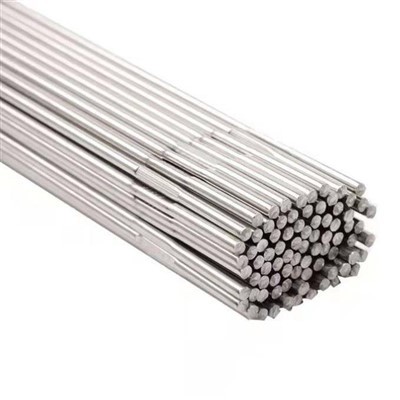
Proper storage of titanium tubes is crucial for maintaining their quality and performance. As a titanium tube supplier, I understand the significance of ensuring that these valuable products are stored under the right conditions. In this blog, I will share some essential guidelines on how to store titanium tubes properly.
Understanding Titanium Tubes
Before delving into storage methods, it's important to understand the characteristics of titanium tubes. Titanium is a highly corrosion - resistant metal with excellent strength - to - weight ratio. Titanium tubes are widely used in various industries such as aerospace, medical, and chemical processing due to their unique properties. There are different types of titanium tubes, including Titanium Alloy Tubing and Titanium Alloy Pipe, each with its own specific applications and requirements.
Storage Environment
Temperature
Titanium tubes should be stored in an environment with a stable temperature. Extreme temperature fluctuations can cause thermal stress on the tubes, which may lead to deformation or damage over time. The ideal temperature range for storing titanium tubes is between 10°C and 30°C (50°F - 86°F). Avoid storing the tubes in areas where they are exposed to direct sunlight or near heat sources such as furnaces or radiators.
Humidity
High humidity can pose a significant threat to titanium tubes. Moisture in the air can lead to the formation of oxidation on the surface of the tubes, which can compromise their corrosion - resistance and mechanical properties. The relative humidity in the storage area should be kept below 60%. To control humidity, you can use dehumidifiers in the storage facility. Additionally, storing the tubes in sealed containers with desiccants can help absorb any excess moisture.
Ventilation
Good ventilation is essential in the storage area. Stagnant air can accumulate pollutants and moisture, which can be harmful to the titanium tubes. Adequate ventilation helps to maintain a clean and dry environment. Make sure the storage facility has proper air - circulation systems, such as fans or vents, to ensure fresh air is constantly flowing through the area.
Physical Storage Considerations
Cleaning
Before storing titanium tubes, they should be thoroughly cleaned. Any dirt, grease, or debris on the surface can attract moisture and cause corrosion. Use a mild detergent and a soft cloth to clean the tubes, and then rinse them with clean water and dry them completely. Avoid using abrasive cleaners or materials that can scratch the surface of the tubes, as scratches can act as sites for corrosion initiation.
Support and Positioning
Titanium tubes should be stored in a way that prevents them from being damaged by physical stress. They should be supported properly to avoid bending or warping. If the tubes are long, they should be stored horizontally on racks or supports that are evenly spaced along their length. For shorter tubes, they can be stored vertically in racks or bins, but make sure they are stable and not at risk of falling.
Separation
It's important to separate different types and sizes of titanium tubes during storage. Mixing different types of tubes can lead to galvanic corrosion if there is a difference in their electrochemical properties. Also, storing tubes of different sizes together can cause them to rub against each other, which can result in scratches. Use dividers or separate storage areas for different types and sizes of tubes.
Protection
To further protect the titanium tubes, they can be coated with a thin layer of protective oil. This oil acts as a barrier against moisture and oxidation. However, make sure the oil used is compatible with titanium and does not contain any harmful chemicals. Additionally, covering the tubes with a protective film or sleeve can provide an extra layer of protection against physical damage.
Storage Duration
The length of time titanium tubes are stored can also affect their quality. While titanium is a relatively stable metal, long - term storage still requires proper care. If the tubes are going to be stored for an extended period, it's a good idea to conduct regular inspections. Check for any signs of corrosion, deformation, or other damage. If any issues are detected, take appropriate measures immediately to prevent further deterioration.
Monitoring and Inspection
Regular monitoring and inspection of the stored titanium tubes are crucial. Set up a schedule for inspecting the tubes at least once a month. During inspections, check the surface of the tubes for any signs of oxidation, scratches, or other damage. Measure the temperature and humidity in the storage area to ensure they are within the acceptable range. If any problems are found, take corrective actions promptly, such as cleaning the tubes, adjusting the storage conditions, or treating any corrosion.
Handling During Storage
When handling titanium tubes during storage, always use proper lifting and handling equipment. Avoid dropping or mishandling the tubes, as this can cause dents, cracks, or other forms of damage. Use lifting slings or hooks that are designed for handling metal tubes to ensure a secure grip.
Documentation
Maintaining proper documentation is an important part of storing titanium tubes. Keep records of the storage conditions, including temperature, humidity, and ventilation levels. Also, document any inspections and maintenance activities carried out on the tubes. This documentation can be useful for quality control purposes and can help in case there are any issues with the tubes in the future.


Conclusion
Proper storage of titanium tubes is a multi - faceted process that requires careful attention to environmental conditions, physical handling, and long - term monitoring. By following the guidelines outlined in this blog, you can ensure that your titanium tubes remain in excellent condition during storage. As a titanium tube supplier, I am committed to providing high - quality products and sharing the knowledge needed to maintain their integrity. If you are interested in purchasing titanium tubes or have any questions about their storage or usage, please feel free to contact us for further discussion and procurement.
References
- ASM Handbook Volume 2: Properties and Selection: Nonferrous Alloys and Special - Purpose Materials.
- Titanium: A Technical Guide, Second Edition by John C. Williams.
- Corrosion Resistance of Titanium by J. W. McCafferty.