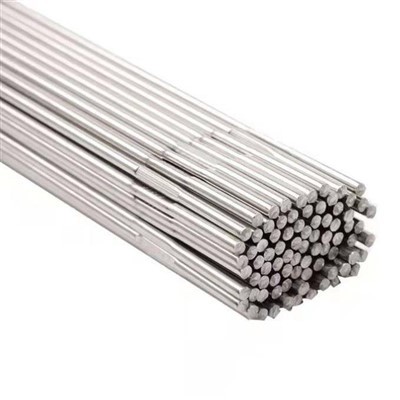
Hey there! As a titanium rod supplier, I've seen firsthand how oxidation can be a real pain in the neck for our customers. Oxidation not only affects the appearance of titanium rods but can also compromise their performance and durability. So, I thought I'd share some tips on how to prevent a titanium rod from oxidation.
Understanding Titanium Oxidation
Before we dive into the prevention methods, let's quickly understand what oxidation is and why it happens to titanium. Titanium is a highly reactive metal, and when it comes into contact with oxygen in the air, it forms a thin layer of titanium dioxide on its surface. This layer is actually quite beneficial as it acts as a protective barrier, preventing further oxidation. However, under certain conditions, this protective layer can be damaged, leading to more extensive oxidation.
Factors that can accelerate titanium oxidation include high temperatures, exposure to harsh chemicals, and mechanical damage. For example, if a titanium rod is used in a high-temperature environment, the protective oxide layer can break down, allowing oxygen to react with the underlying titanium. Similarly, exposure to acids, alkalis, or other corrosive substances can also damage the oxide layer and promote oxidation.
Prevention Methods
Now that we know what causes titanium oxidation, let's look at some effective ways to prevent it.
1. Proper Storage
One of the simplest ways to prevent titanium rod oxidation is to store them properly. Titanium rods should be stored in a dry, cool, and well-ventilated area. Avoid storing them in areas with high humidity or where they can come into contact with water. Moisture can accelerate the oxidation process, so keeping the rods dry is crucial.
It's also a good idea to store titanium rods separately from other metals, especially those that are more prone to corrosion. This can prevent galvanic corrosion, which occurs when two different metals are in contact with each other in the presence of an electrolyte (such as moisture).
2. Surface Treatment
Applying a protective coating to the surface of the titanium rod can significantly reduce the risk of oxidation. There are several types of coatings available, including paint, powder coating, and anodizing.
- Paint and Powder Coating: These coatings provide a physical barrier between the titanium rod and the environment, preventing oxygen and moisture from reaching the surface. They are relatively easy to apply and can be customized to match the desired color and finish.
- Anodizing: Anodizing is an electrochemical process that creates a thicker and more durable oxide layer on the surface of the titanium rod. This layer is highly resistant to oxidation and can also improve the rod's wear resistance and aesthetic appeal.
3. Regular Cleaning and Maintenance
Regular cleaning and maintenance can help keep the titanium rod in good condition and prevent oxidation. Use a mild detergent and a soft cloth to clean the rod, and avoid using abrasive cleaners or tools that can scratch the surface.
After cleaning, make sure to dry the rod thoroughly to remove any moisture. You can also apply a protective lubricant or oil to the surface to further prevent oxidation.
4. Control the Operating Environment
If the titanium rod is being used in a specific environment, it's important to control the conditions to minimize the risk of oxidation. For example, if the rod is used in a high-temperature application, consider using cooling systems or insulation to reduce the temperature.
Similarly, if the rod is exposed to chemicals, make sure to use appropriate protective measures, such as chemical-resistant coatings or enclosures.
Choosing the Right Titanium Rod
When selecting a titanium rod, it's important to choose the right grade and quality for your application. Different grades of titanium have different levels of corrosion resistance, so make sure to choose a grade that is suitable for the environment in which the rod will be used.
For example, Pure Titanium Rod is a popular choice for applications where high corrosion resistance is required. It has a high purity level and is less prone to oxidation compared to other grades of titanium.
Titanium Round Rod and Titanium Hex Bar are also commonly used in various industries. They offer excellent mechanical properties and can be easily machined and fabricated.


Conclusion
Preventing titanium rod oxidation is essential to ensure their long-term performance and durability. By following the tips outlined in this blog, you can significantly reduce the risk of oxidation and keep your titanium rods in top condition.
If you're in the market for high-quality titanium rods, don't hesitate to reach out to us. We're a leading titanium rod supplier, and we offer a wide range of products to meet your specific needs. Whether you need Pure Titanium Rod, Titanium Round Rod, or Titanium Hex Bar, we've got you covered.
Contact us today to discuss your requirements and get a quote. We look forward to working with you!
References
- ASM Handbook Volume 13C: Corrosion: Prevention and Control
- Titanium: A Technical Guide, Second Edition by John C. Williams