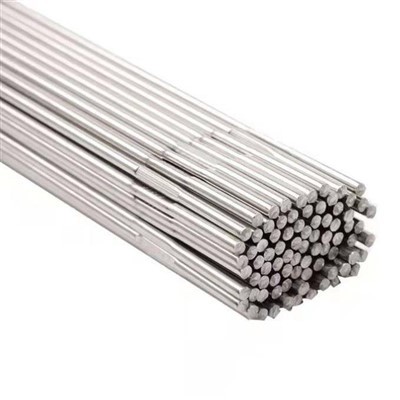
As a seasoned titanium foil supplier, I understand the critical importance of identifying high-quality titanium foil in various industries. Titanium foil is a versatile material known for its exceptional strength, corrosion resistance, and lightweight properties, making it a popular choice in applications ranging from aerospace and electronics to medical devices and automotive components. In this blog post, I will share some valuable insights and practical tips on how to identify high-quality titanium foil, ensuring that you make informed decisions for your specific needs.
Understanding the Basics of Titanium Foil
Before delving into the identification process, it's essential to have a basic understanding of titanium foil. Titanium foil is a thin sheet of titanium metal, typically with a thickness ranging from 0.01mm to 0.2mm. It is available in various grades, each with its unique chemical composition and mechanical properties. The most common grades of titanium foil include Grade 1, Grade 2, Grade 5 (Ti-6Al-4V), and Grade 7 (Ti-0.2Pd).
Grade 1 and Grade 2 titanium foils are commercially pure titanium, known for their excellent corrosion resistance and formability. They are often used in applications where high strength is not a primary requirement, such as chemical processing, architecture, and food processing. Grade 5 titanium foil, also known as Ti-6Al-4V, is an alloy of titanium, aluminum, and vanadium. It is one of the most widely used titanium alloys due to its high strength-to-weight ratio, good corrosion resistance, and excellent weldability. Grade 5 titanium foil is commonly used in aerospace, medical, and automotive applications. Grade 7 titanium foil, or Ti-0.2Pd, is a titanium alloy with a small amount of palladium added to enhance its corrosion resistance in reducing environments. It is often used in chemical processing, marine, and oil and gas applications.
Visual Inspection
One of the first steps in identifying high-quality titanium foil is a visual inspection. High-quality titanium foil should have a smooth, uniform surface without any visible defects such as scratches, pits, or cracks. The color of the titanium foil should be consistent, indicating a homogeneous composition. Any discoloration or variation in color may indicate impurities or improper processing.
When inspecting the edges of the titanium foil, they should be straight and free of burrs or rough spots. A clean, sharp edge is a sign of precise cutting and high-quality manufacturing. Additionally, the foil should be free of any wrinkles or creases, as these can affect its performance and make it difficult to work with.
Chemical Analysis
Chemical analysis is a crucial step in determining the quality of titanium foil. It involves analyzing the chemical composition of the foil to ensure that it meets the specifications of the desired grade. There are several methods for chemical analysis, including spectroscopy, X-ray fluorescence (XRF), and wet chemical analysis.
Spectroscopy is a commonly used method for chemical analysis. It involves shining a light on the titanium foil and analyzing the resulting spectrum to determine the elements present in the foil. XRF is a non-destructive method that uses X-rays to determine the elemental composition of the foil. Wet chemical analysis, on the other hand, involves dissolving a small sample of the titanium foil in a chemical solution and analyzing the resulting solution to determine the concentration of various elements.
By performing a chemical analysis, you can ensure that the titanium foil you are purchasing contains the correct amount of titanium and other alloying elements. Deviations from the specified composition can affect the mechanical properties and corrosion resistance of the foil.
Mechanical Testing
Mechanical testing is another important aspect of identifying high-quality titanium foil. It involves subjecting the foil to various mechanical forces to evaluate its strength, ductility, and hardness. The most common mechanical tests for titanium foil include tensile testing, hardness testing, and bend testing.
Tensile testing is used to determine the ultimate tensile strength, yield strength, and elongation of the titanium foil. In a tensile test, a sample of the foil is pulled until it breaks, and the force required to break the sample is measured. The results of the tensile test can provide valuable information about the strength and ductility of the foil.
Hardness testing is used to measure the resistance of the titanium foil to indentation or scratching. There are several methods for hardness testing, including Rockwell hardness testing, Brinell hardness testing, and Vickers hardness testing. The hardness of the titanium foil can affect its machinability, wear resistance, and formability.
Bend testing is used to evaluate the ductility and formability of the titanium foil. In a bend test, a sample of the foil is bent at a specific angle, and the degree of deformation is measured. A high-quality titanium foil should be able to withstand bending without cracking or breaking.
Surface Finish
The surface finish of the titanium foil can also affect its quality and performance. A smooth, polished surface finish can improve the corrosion resistance and aesthetic appearance of the foil. There are several methods for achieving a smooth surface finish, including mechanical polishing, chemical polishing, and electropolishing.
Mechanical polishing involves using abrasive materials to remove surface imperfections and create a smooth surface. Chemical polishing uses chemical solutions to dissolve the surface layer of the foil, resulting in a smooth, shiny finish. Electropolishing is an electrochemical process that uses an electric current to remove surface material and create a highly polished surface.
When evaluating the surface finish of the titanium foil, look for a consistent, mirror-like finish without any visible scratches or swirl marks. A high-quality surface finish can also improve the adhesion of coatings or adhesives, making the foil suitable for a wider range of applications.
Certification and Documentation
When purchasing titanium foil, it's important to ensure that the supplier provides proper certification and documentation. A reputable supplier should be able to provide a material test report (MTR) that includes the chemical composition, mechanical properties, and other relevant information about the titanium foil. The MTR should be issued by an independent testing laboratory and should be traceable to the specific batch of foil being purchased.
In addition to the MTR, the supplier should also provide a certificate of compliance that indicates that the titanium foil meets the relevant industry standards and specifications. This can include standards such as ASTM, ASME, or ISO. By obtaining proper certification and documentation, you can have confidence in the quality and authenticity of the titanium foil you are purchasing.
Applications of High-Quality Titanium Foil
High-quality titanium foil has a wide range of applications in various industries. In the aerospace industry, titanium foil is used in aircraft components such as wings, fuselages, and engine parts due to its high strength-to-weight ratio and excellent corrosion resistance. In the electronics industry, titanium foil is used in printed circuit boards, capacitors, and other electronic components due to its good electrical conductivity and thermal stability.
In the medical industry, titanium foil is used in medical devices such as implants, surgical instruments, and dental prosthetics due to its biocompatibility and corrosion resistance. In the automotive industry, titanium foil is used in exhaust systems, engine components, and suspension parts to reduce weight and improve performance.
For more information about specific applications of titanium foil, you can visit our website: Titanium Foil for Windscreen, Titanium Flat Foil, and Titanium Foil Rolls.
Conclusion
Identifying high-quality titanium foil requires a combination of visual inspection, chemical analysis, mechanical testing, and evaluation of the surface finish. By following the tips outlined in this blog post, you can ensure that you are purchasing titanium foil that meets your specific requirements and provides the performance and reliability you need.
As a titanium foil supplier, I am committed to providing high-quality products and excellent customer service. If you have any questions or need further information about titanium foil, please feel free to contact me. I would be happy to assist you with your procurement needs and help you find the right titanium foil for your application.


References
- ASM Handbook, Volume 2: Properties and Selection: Nonferrous Alloys and Special-Purpose Materials. ASM International.
- ASTM International Standards for Titanium and Titanium Alloys. ASTM International.
- Titanium: A Technical Guide. John R. Davis, ed. ASM International.