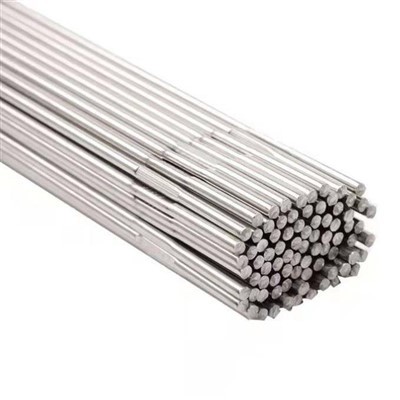
Hey there! As a supplier of titanium wire, I often get asked about the tensile strength of titanium wire. So, I thought I'd write this blog to give you all the deets on what tensile strength is, how it applies to titanium wire, and why it matters in various applications.
First off, let's break down what tensile strength actually means. Tensile strength is the maximum amount of tensile (pulling) stress that a material can withstand before it breaks or fails. In simpler terms, it's like testing how hard you can pull on something before it snaps. For titanium wire, this is a crucial property because it determines how much weight or force the wire can handle without breaking.
Titanium is known for its impressive strength - to - weight ratio. When compared to other metals like steel, titanium has a high tensile strength while being relatively lightweight. This makes it a popular choice in industries where weight is a concern, such as aerospace and automotive.
The tensile strength of titanium wire can vary depending on a few factors. One of the main factors is the alloy composition. There are different types of titanium alloys, and each has its own unique properties. For example, some alloys are designed to have higher strength, while others are more focused on corrosion resistance. You can check out Titanium Alloy Wire to learn more about the different alloys we offer.
Another factor that affects the tensile strength is the manufacturing process. The way the wire is drawn, heat - treated, and processed can have a significant impact on its final strength. For instance, cold - drawing the wire can increase its tensile strength by aligning the metal grains in a more organized way. On the other hand, improper heat treatment can actually reduce the strength of the wire.
Let's talk numbers. The tensile strength of pure titanium wire typically ranges from about 240 MPa (megapascals) to 550 MPa. But when we're talking about titanium alloys, the numbers can go much higher. Some high - strength titanium alloys can have a tensile strength of over 1000 MPa. That's pretty impressive, right?
Now, you might be wondering why all this matters. Well, the tensile strength of titanium wire is crucial in many applications. In the aerospace industry, titanium wire is used in aircraft components like landing gear, fasteners, and hydraulic systems. These parts need to be able to withstand high levels of stress and loads during flight. A wire with a low tensile strength could break under the pressure, which would be a major safety hazard.
In the medical field, titanium wire is used in orthopedic implants and dental applications. The wire needs to have enough strength to support the body's weight and movement without breaking. For example, in spinal fusion surgery, titanium wire is used to hold the vertebrae in place. If the wire doesn't have the right tensile strength, it could fail, leading to complications for the patient.
The automotive industry also benefits from the high tensile strength of titanium wire. It's used in engine components, exhaust systems, and suspension parts. In racing cars, where every ounce of weight matters and performance is key, titanium wire can provide the strength needed while keeping the weight down.
We also offer Titanium Line, which is suitable for a wide range of applications. Whether you need it for industrial use, jewelry making, or any other project, our titanium line is made with high - quality materials to ensure it meets your requirements.
If you're in the market for titanium wire, you're probably thinking about how to choose the right one based on tensile strength. Here are a few tips. First, figure out the specific requirements of your application. How much stress or load will the wire need to handle? Once you have a clear idea of that, you can look at the different alloys and their tensile strength ratings.
It's also important to work with a reliable supplier. At our company, we have a team of experts who can help you select the right titanium wire for your needs. We test all our products to ensure they meet the highest quality standards. And we can provide you with detailed information about the tensile strength and other properties of the wire.


When you're comparing different suppliers, don't just look at the price. A lower - priced wire might seem like a good deal, but if it doesn't have the right tensile strength, it could end up costing you more in the long run. You could face product failures, safety issues, and additional costs for repairs or replacements.
If you're interested in learning more about our titanium wire products or have any questions about tensile strength, we'd love to hear from you. Just reach out to us, and our team will be happy to assist you with your inquiries and help you with the purchasing process. Whether you're a small - scale manufacturer or a large - scale industrial client, we can provide you with the right quantity of high - quality titanium wire at a competitive price.
In conclusion, the tensile strength of titanium wire is a critical property that determines its performance in various applications. By understanding the factors that affect tensile strength and working with a reliable supplier, you can ensure that you get the right wire for your needs. So, if you're looking for high - quality titanium wire, don't hesitate to contact us and start the purchasing process.
References
- "Titanium: A Technical Guide", ASM International
- "Materials Science and Engineering: An Introduction", William D. Callister Jr. and David G. Rethwisch