


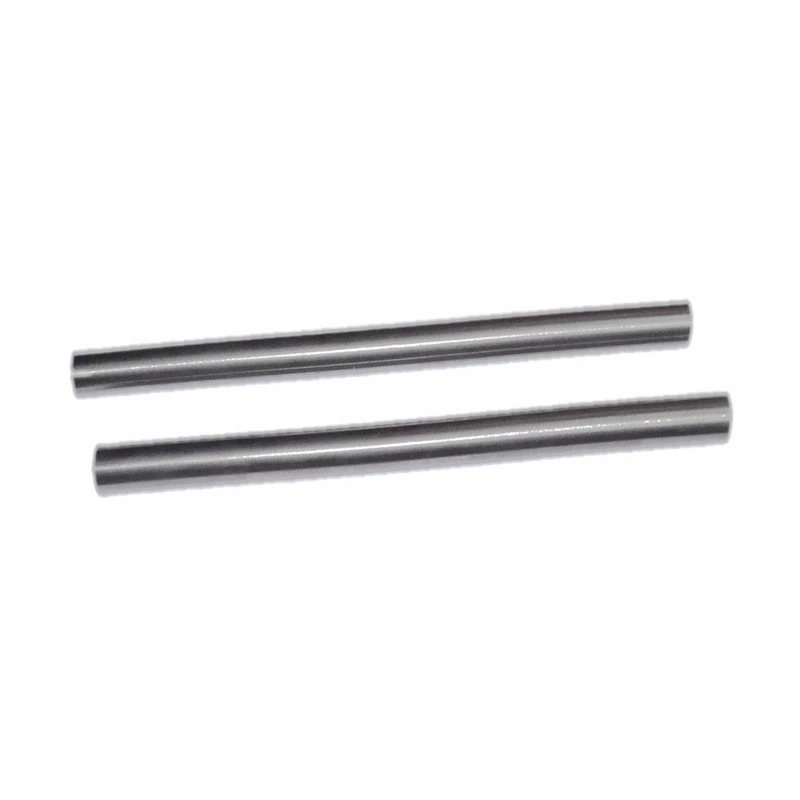
In the realm of high - performance metals, titanium round rods stand out as a material of choice for a wide range of industries due to their exceptional properties such as high strength - to - weight ratio, corrosion resistance, and biocompatibility. As a supplier of titanium round rods, I understand the critical importance of quality certification in ensuring that our products meet the strict standards required by our customers.
The Basics of Quality Certification
Quality certification for titanium round rods is a formal process that verifies the material's compliance with specific standards and requirements. These certifications are issued by recognized third - party organizations or regulatory bodies. They serve as a guarantee to customers that the titanium round rods they are purchasing have been thoroughly tested and meet the necessary criteria in terms of chemical composition, mechanical properties, and manufacturing processes.
One of the most well - known standards for titanium materials is ASTM (American Society for Testing and Materials). ASTM has developed a series of specifications for titanium and titanium alloys, including those related to round rods. For example, ASTM B348 covers titanium and titanium alloy bars and billets. This standard details the chemical composition limits for different grades of titanium, such as Grade 2 (commercially pure titanium) and Grade 5 (Ti - 6Al - 4V, a widely used titanium alloy).
Chemical Composition Certification
The chemical composition of titanium round rods is a crucial factor that affects their properties and performance. A quality certification for chemical composition ensures that the rod contains the correct percentages of elements such as titanium, aluminum, vanadium, iron, and oxygen.
For instance, in Grade 5 titanium alloy rods, the specified chemical composition is approximately 6% aluminum and 4% vanadium, with tight limits on other impurities. Our company uses advanced analytical techniques such as optical emission spectroscopy (OES) and inductively coupled plasma mass spectrometry (ICP - MS) to accurately determine the chemical composition of our titanium round rods. Once the analysis is complete, a certificate is issued that details the exact chemical makeup of the rod, providing customers with transparency and confidence in the product.
Mechanical Properties Certification
Mechanical properties such as tensile strength, yield strength, elongation, and hardness are also key aspects of quality certification for titanium round rods. These properties determine how the rod will perform under different loading conditions.
Tensile testing is a common method used to measure the strength of titanium round rods. A sample of the rod is subjected to a gradually increasing tensile force until it breaks. The maximum force the rod can withstand before breaking is its tensile strength, and the force at which it begins to deform plastically is the yield strength. Elongation, which is the percentage increase in the length of the rod after it has been stretched, is also measured during the test.
Hardness testing, on the other hand, measures the resistance of the titanium round rod to indentation. Common hardness testing methods include Rockwell, Brinell, and Vickers hardness tests. Our company conducts these tests in accordance with relevant ASTM standards and provides certification of the mechanical properties to our customers.
Manufacturing Process Certification
The manufacturing process of titanium round rods can also impact their quality. From the initial melting and casting of the titanium ingot to the final machining and finishing of the round rod, each step must be carefully controlled.
For example, during the forging process, the temperature, pressure, and deformation rate need to be precisely regulated to ensure the desired grain structure and mechanical properties of the rod. Our manufacturing facilities are equipped with state - of - the - art equipment and adhere to strict quality control procedures. We obtain certifications for our manufacturing processes, which demonstrate that our production methods meet industry - recognized best practices.

Traceability and Quality Assurance
In addition to the above certifications, traceability is an important aspect of quality assurance for titanium round rods. Each rod we produce is assigned a unique identification number, and detailed records are maintained throughout the manufacturing process. This allows us to track the origin of the raw materials, the processing steps, and the test results associated with each rod.
If a customer has any concerns about a particular rod, we can quickly provide them with all the relevant information, from the date of production to the specific test reports. This level of traceability not only enhances customer confidence but also helps in the event of any quality - related issues or recalls.
Applications and the Need for Quality Certification
Titanium round rods are used in a variety of applications, ranging from aerospace and automotive industries to medical and marine applications. In the aerospace industry, for example, titanium round rods are used to manufacture critical components such as landing gear, engine parts, and structural elements. These applications require materials with high strength, low weight, and excellent corrosion resistance. A quality - certified titanium round rod ensures the safety and reliability of these aerospace components.
In the medical field, titanium round rods are used for implants due to their biocompatibility. Implants need to be made from materials that will not cause an adverse reaction in the human body. Quality certification for titanium round rods used in medical applications verifies that the material meets the strict biocompatibility requirements and is free from harmful contaminants.
Other Related Titanium Products
As a supplier, we also offer a range of related titanium products, such as Titanium Hex Bar, Titanium Filler Rod Welding, and Titanium Alloy Rod. These products also undergo similar quality certification processes to ensure that they meet the high - quality standards expected by our customers.
Conclusion
In conclusion, quality certification for titanium round rods is a comprehensive process that encompasses chemical composition, mechanical properties, manufacturing processes, and traceability. As a supplier, we are committed to providing our customers with high - quality titanium round rods that are backed by rigorous quality certifications.
If you are in the market for titanium round rods or any of our related products, we invite you to contact us for a detailed discussion about your requirements. We are confident that our quality - certified products will meet your expectations and contribute to the success of your projects.
References
- ASTM International. "ASTM B348 - 20 Standard Specification for Titanium and Titanium Alloy Bars and Billets."
- ASM Handbook, Volume 2: Properties and Selection: Nonferrous Alloys and Special - Purpose Materials. ASM International.


