


In the world of metals, titanium stands out as a remarkable material, celebrated for its exceptional properties. As a dedicated supplier of titanium round rods, I am often asked about the purity of these products. Understanding the purity of titanium round rods is crucial, as it directly impacts their performance, applications, and overall value. In this blog, I will delve into the concept of titanium round rod purity, exploring what it means, how it is measured, and why it matters.
What is Titanium Purity?
Titanium is a chemical element with the symbol Ti and atomic number 22. In its pure form, titanium is a lustrous, silver - gray metal that is known for its high strength - to - weight ratio, excellent corrosion resistance, and biocompatibility. However, pure titanium is rarely found in nature. Instead, it typically exists in the form of titanium dioxide (TiO₂) in minerals such as ilmenite and rutile.
The purity of titanium refers to the percentage of titanium in a given sample, with the remaining portion consisting of other elements or impurities. These impurities can include iron, carbon, nitrogen, oxygen, and hydrogen, among others. The level of purity can vary widely, from commercially pure titanium (CP titanium) to highly alloyed titanium materials.
Commercially Pure Titanium (CP Titanium)
Commercially pure titanium is divided into four grades (Grade 1, Grade 2, Grade 3, and Grade 4), each with a different level of purity and corresponding properties.
- Grade 1: This is the purest form of commercially pure titanium, with a minimum titanium content of 99.5%. It is the most ductile and formable of the CP titanium grades, making it ideal for applications where cold forming is required. Grade 1 titanium round rods are commonly used in chemical processing, architecture, and marine applications due to their excellent corrosion resistance.
- Grade 2: With a minimum titanium content of 99.2%, Grade 2 is the most widely used grade of commercially pure titanium. It offers a good balance of strength, ductility, and corrosion resistance. Grade 2 titanium round rods are often used in aerospace components, automotive parts, and medical devices.
- Grade 3: This grade has a minimum titanium content of 99.0%. It has higher strength than Grade 1 and Grade 2, but slightly lower ductility. Grade 3 titanium round rods are suitable for applications that require moderate strength and good corrosion resistance, such as in the oil and gas industry.
- Grade 4: With a minimum titanium content of 98.5%, Grade 4 is the strongest of the commercially pure titanium grades. It has the highest yield and tensile strength among the CP titanium grades, but lower ductility. Grade 4 titanium round rods are used in applications where high strength and corrosion resistance are needed, such as in military and aerospace applications.
Titanium Alloys and Their Purity Considerations
In addition to commercially pure titanium, titanium alloys are also widely used. Titanium alloys are created by adding other elements to titanium to enhance specific properties, such as strength, heat resistance, or weldability. Some common alloying elements include aluminum, vanadium, molybdenum, and zirconium.
The purity of titanium alloys is more complex to define compared to CP titanium. While the base metal is still titanium, the presence of alloying elements changes the overall composition. For example, Ti - 6Al - 4V (Grade 5 titanium alloy), one of the most widely used titanium alloys, contains approximately 90% titanium, 6% aluminum, and 4% vanadium. The purity of the titanium component within the alloy is still an important factor, as impurities in the base titanium can affect the alloy's performance.
Measuring the Purity of Titanium Round Rods
Determining the purity of titanium round rods is a critical step in quality control. There are several methods used to measure the purity and composition of titanium:

- Spectroscopic Analysis: This method uses light to analyze the elemental composition of a material. Techniques such as optical emission spectroscopy (OES) and X - ray fluorescence (XRF) can quickly and accurately identify the elements present in a titanium sample and measure their concentrations.
- Chemical Analysis: Chemical analysis involves dissolving a sample of the titanium rod in a suitable acid and then using various chemical reactions to determine the amount of different elements. This method is highly accurate but can be time - consuming and requires specialized laboratory equipment.
- Microstructural Analysis: By examining the microstructure of a titanium round rod using techniques such as optical microscopy or electron microscopy, it is possible to detect the presence of impurities or inhomogeneities in the material.
Why Purity Matters in Titanium Round Rods
The purity of titanium round rods has a significant impact on their properties and performance:
- Corrosion Resistance: Higher purity titanium generally has better corrosion resistance. Impurities can act as sites for corrosion initiation, reducing the material's ability to withstand harsh environments. For example, in marine applications, where the rods are exposed to saltwater, high - purity titanium round rods are preferred to prevent corrosion.
- Strength and Ductility: The level of impurities in titanium can affect its mechanical properties. Excessive impurities can lead to a decrease in ductility and an increase in brittleness. On the other hand, the right balance of alloying elements and controlled impurity levels can enhance the strength of titanium round rods without sacrificing too much ductility.
- Weldability: Purity also plays a role in the weldability of titanium round rods. Impurities can cause problems during welding, such as porosity, cracking, or reduced weld strength. High - purity titanium is generally more weldable and produces better - quality welds.
Applications of Titanium Round Rods Based on Purity
The choice of titanium round rod purity depends on the specific application:
- Medical Applications: In the medical field, high - purity titanium (such as Grade 1 or Grade 2) is commonly used for implants and surgical instruments. The biocompatibility of pure titanium makes it suitable for long - term use in the human body, and its corrosion resistance ensures that the implants do not degrade over time.
- Aerospace Industry: Both commercially pure titanium and titanium alloys are widely used in the aerospace industry. High - strength titanium alloys are used for critical components such as aircraft frames and engine parts, while CP titanium round rods may be used for non - structural applications where corrosion resistance and formability are important.
- Chemical Processing: In the chemical industry, where the rods are exposed to corrosive chemicals, high - purity CP titanium round rods are often used. Their excellent corrosion resistance allows them to withstand the harsh chemical environments without significant degradation.
Our Offerings as a Titanium Round Rod Supplier
As a supplier of titanium round rods, we understand the importance of purity and quality. We offer a wide range of titanium round rods, including commercially pure grades and various titanium alloys. Our products are sourced from reputable manufacturers and undergo strict quality control measures to ensure that they meet the required purity standards.
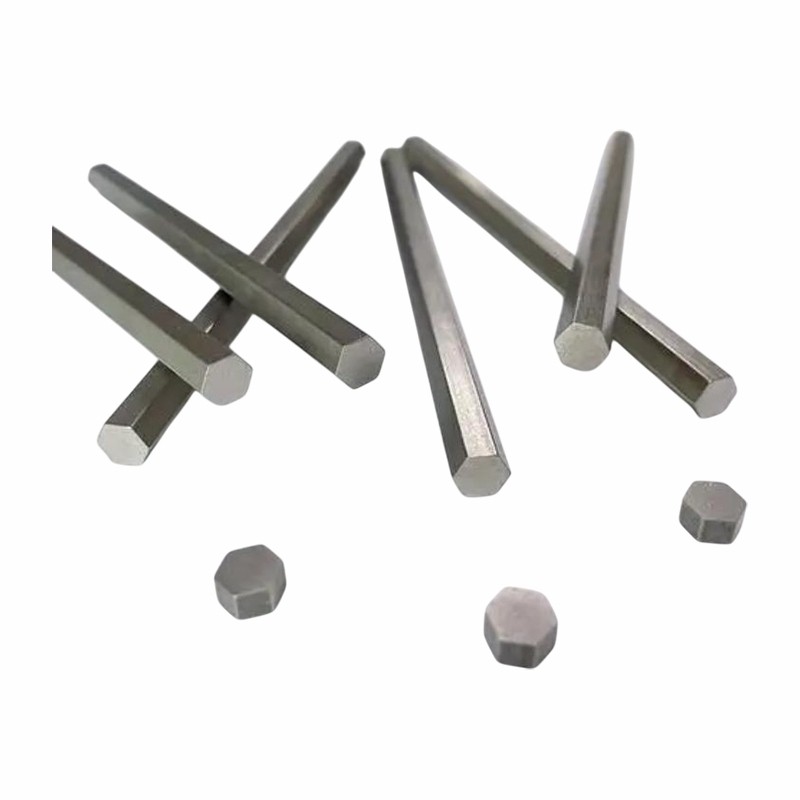
Whether you need Titanium Filler Rod Welding for your welding projects, Titanium Hex Bar for specialized applications, or Titanium Alloy Rod for high - performance requirements, we have the right solution for you.
Conclusion
The purity of titanium round rods is a crucial factor that determines their properties, performance, and suitability for different applications. Understanding the concept of purity, how it is measured, and why it matters is essential for anyone involved in the selection and use of titanium materials.
If you are interested in purchasing titanium round rods or have any questions about our products, please feel free to contact us. We are committed to providing you with high - quality titanium products and excellent customer service. Let's discuss your specific requirements and find the perfect titanium round rod solution for your project.
References
- ASM Handbook, Volume 2: Properties and Selection: Nonferrous Alloys and Special - Purpose Materials. ASM International.
- Titanium: A Technical Guide, Second Edition. John R. Davis (Editor). ASM International.
- "The Effect of Impurities on the Properties of Titanium Alloys" - Journal of Materials Science.


