


As a leading supplier of pure titanium rods, I often encounter inquiries regarding the various properties of these remarkable materials, with the melting point being a frequent topic of interest. This article explores the melting point of pure titanium rods and delves into its significance in different applications.
Understanding Pure Titanium
Before discussing the melting point, let's first understand what pure titanium is. Titanium is a chemical element with the symbol Ti and atomic number 22. It is a lustrous transition metal with a silver color, low density, and high strength. Pure titanium rods, as the name suggests, are made from titanium with high purity, typically above 99%. These rods are known for their excellent corrosion resistance, biocompatibility, and high strength - to - weight ratio, making them suitable for a wide range of industries, including aerospace, medical, and chemical.
The Melting Point of Pure Titanium Rods
The melting point of pure titanium is approximately 1668 °C (3034 °F). This relatively high melting point is a characteristic feature of the metal and is closely related to its atomic structure. Titanium atoms are held together by strong metallic bonds. These bonds require a large amount of energy to break, which is why a high temperature is needed to transform titanium from a solid to a liquid state.
The high melting point of pure titanium rods is both an advantage and a challenge in different applications. In industries such as aerospace, where parts need to withstand high - temperature environments, the high melting point of titanium is a significant advantage. For example, in jet engines, certain components made from pure titanium rods can maintain their structural integrity even at extremely high temperatures, ensuring the safety and reliability of the aircraft.
However, the high melting point also presents challenges during the manufacturing process. Melting and processing pure titanium require specialized equipment and techniques. The high temperatures involved demand furnaces and tools that can withstand the heat, and the handling of molten titanium needs to be carefully controlled to prevent oxidation and other impurities from affecting the quality of the final product.
Factors Affecting the Melting Point
It's important to note that the melting point of a pure titanium rod can be slightly influenced by several factors. One of these factors is the presence of impurities. Even small amounts of impurities can lower the melting point of titanium. For example, if the titanium rod contains trace amounts of iron, carbon, or oxygen, these impurities can disrupt the regular atomic structure of titanium, making it easier to break the metallic bonds and thus reducing the melting point.

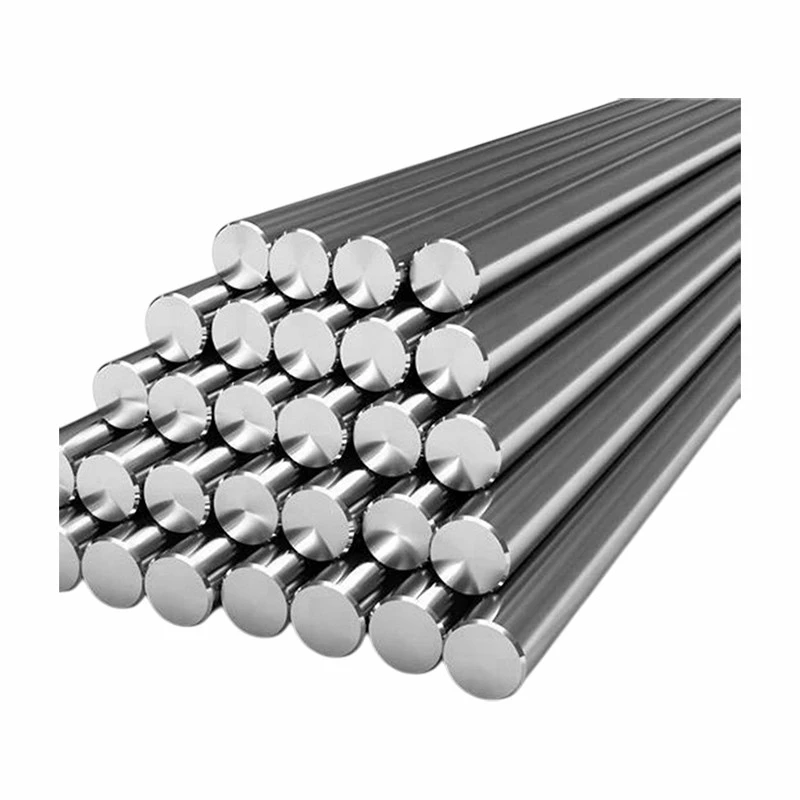
The manufacturing process can also impact the melting behavior. Rods produced through different methods, such as casting or forging, may have slightly different microstructures, which can in turn affect the energy required to reach the melting point. For instance, a forged titanium rod may have a more uniform and denser structure compared to a cast one, potentially influencing its melting characteristics.
Comparing with Other Related Titanium Products
When discussing pure titanium rods, it's also beneficial to compare them with other titanium - based products.
Titanium Alloy Rod: Titanium Alloy Rod are made by adding other elements to titanium, such as aluminum, vanadium, or nickel. These alloying elements can significantly alter the properties of the rod, including the melting point. Depending on the type and amount of alloying elements, the melting point of a titanium alloy rod can be either higher or lower than that of a pure titanium rod. For example, some high - strength titanium alloys may have a slightly higher melting point due to the strengthened atomic bonds caused by the alloying elements.
Titanium Forging Bar: Titanium Forging Bar is another product in the titanium family. Forging is a process that involves shaping metal by applying compressive forces. Titanium forging bars often have enhanced mechanical properties compared to cast products. The forging process can also affect the microstructure of the bar, which may have a minor impact on the melting behavior. However, in general, the melting point of a titanium forging bar is similar to that of a pure titanium rod, as long as the base material is pure titanium.
Titanium Filler Rod Welding: Titanium Filler Rod Welding is used in welding applications to join titanium parts. The melting point of these filler rods is a crucial factor in the welding process. The filler rod needs to be melted at a temperature that is compatible with the base titanium material to ensure a proper weld. Pure titanium filler rods have a melting point close to that of pure titanium rods, which helps in achieving a strong and reliable weld.
Applications and the Importance of Melting Point
In different industries, the melting point of pure titanium rods plays a vital role.
Aerospace Industry: As mentioned earlier, the aerospace industry benefits greatly from the high melting point of pure titanium rods. Components like aircraft engine parts, structural frames, and landing gear are often made from titanium due to its ability to withstand high temperatures and mechanical stress. The high melting point ensures that these parts do not deform or fail under extreme flight conditions.
Medical Industry: In the medical field, titanium is highly valued for its biocompatibility. Pure titanium rods are used to make implants such as bone plates, screws, and dental implants. Although the melting point may not be directly relevant in the implantation process, it is important during the manufacturing of these implants. The high - temperature processing involved in shaping the rods into the desired implant forms requires an understanding of the melting point to ensure the quality and integrity of the final product.
Chemical Industry: Titanium is resistant to many corrosive chemicals, making it suitable for use in chemical processing equipment. The high melting point allows the pure titanium rods used in this industry to withstand the high - temperature reactions that often occur in chemical plants. For example, they can be used in the construction of heat exchangers and reaction vessels.
Contact for Procurement
If you are interested in purchasing high - quality pure titanium rods or have any questions regarding their properties, melting point, or applications, we welcome you to contact us. Our team of experts is ready to provide you with detailed information and assist you in finding the most suitable products for your specific needs. We are committed to offering top - notch pure titanium rods that meet the highest industry standards.
References
- ASM Handbook Committee. (2000). ASM Handbook Volume 2: Properties and Selection: Nonferrous Alloys and Special - Purpose Materials. ASM International.
- Callister, W. D., & Rethwisch, D. G. (2010). Materials Science and Engineering: An Introduction. John Wiley & Sons.
- Kutz, M. (Ed.). (2002). Mechanical Engineers' Handbook: Materials and Mechanical Design. John Wiley & Sons.


