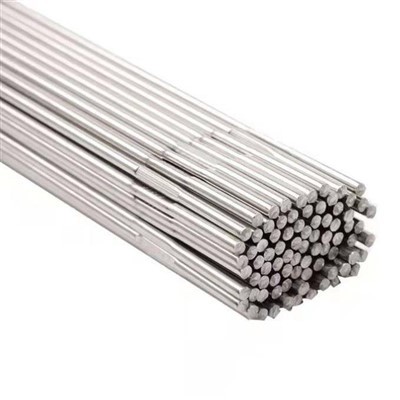
Hey there! As a supplier of fine tungsten foil, I'm super excited to take you through the manufacturing process of this amazing material. Tungsten foil is widely used in various industries, from electronics to aerospace, because of its unique properties like high melting point, excellent electrical conductivity, and great strength. So, let's dive right in!
Starting with the Raw Material
The whole process kicks off with tungsten ore. Tungsten is usually found in the form of wolframite or scheelite. These ores are mined from the earth, and the first step is to extract tungsten from them. The ore is crushed into small pieces and then undergoes a series of chemical processes to separate the tungsten from other elements.
One common method is the alkali fusion process. In this process, the crushed ore is mixed with sodium carbonate and heated at high temperatures. This forms sodium tungstate, which can be further processed to obtain pure tungsten compounds. After that, through reduction reactions, usually using hydrogen gas, we get pure tungsten powder. This powder is the starting point for making fine tungsten foil.
Powder Pressing
Once we have the pure tungsten powder, it's time to shape it. We use a process called powder pressing. The tungsten powder is put into a mold of the desired shape and then pressed under high pressure. This compacts the powder into a solid form, known as a green compact. The pressure applied is crucial as it determines the density and strength of the final product.
During this step, we need to be really careful about the environment. Any contamination can affect the quality of the tungsten foil. So, we work in a cleanroom environment to ensure that the powder remains pure.


Sintering
After the powder pressing, the green compact goes through a sintering process. Sintering is basically heating the compact at a high temperature, but below its melting point. This causes the individual particles in the compact to bond together, increasing its density and strength.
We use special furnaces for sintering. These furnaces can reach extremely high temperatures, often above 2000°C. The sintering process can take several hours, and we carefully control the temperature and atmosphere inside the furnace. Usually, we use an inert gas like argon to prevent oxidation of the tungsten.
Rolling
Once the sintered tungsten billet is ready, it's time to turn it into a foil. We use a rolling process for this. The billet is passed through a series of rollers, which gradually reduce its thickness. The rolling process is done in multiple passes, with each pass reducing the thickness slightly.
During rolling, we need to lubricate the rollers to prevent the tungsten from sticking to them. We also control the speed and pressure of the rollers to ensure a uniform thickness of the foil. As the foil gets thinner, it becomes more difficult to handle, so we need to be extra careful.
Annealing
After each rolling pass, we often perform an annealing process. Annealing is heating the foil to a specific temperature and then cooling it slowly. This helps to relieve the internal stresses that are created during rolling and makes the foil more ductile.
The annealing temperature and time depend on the thickness and properties of the foil. We use a precise temperature control system to ensure that the annealing process is done correctly. This step is crucial as it affects the final quality and performance of the fine tungsten foil.
Surface Treatment
Once the foil reaches the desired thickness, we may perform some surface treatments. Surface treatment can improve the appearance and performance of the foil. For example, we may polish the surface to make it smoother or apply a coating to enhance its corrosion resistance.
There are different methods for surface treatment, such as mechanical polishing, chemical etching, or physical vapor deposition. The choice of treatment depends on the specific requirements of the customer.
Quality Control
Throughout the manufacturing process, we have strict quality control measures in place. We test the foil at various stages to ensure that it meets the required specifications. We check the thickness, density, hardness, and other properties of the foil using advanced testing equipment.
For example, we use a micrometer to measure the thickness of the foil with high precision. We also perform X-ray diffraction analysis to determine the crystal structure of the tungsten. Any foil that doesn't meet the quality standards is rejected and recycled.
Applications of Fine Tungsten Foil
Fine tungsten foil has a wide range of applications. In the electronics industry, it's used in printed circuit boards, semiconductor devices, and vacuum tubes. Its high electrical conductivity and heat resistance make it ideal for these applications.
In the aerospace industry, tungsten foil is used in heat shields and structural components. Its high melting point and strength help to protect the aircraft from extreme temperatures and stresses.
If you're interested in other tungsten products, we also offer Solid Tungsten Cube, Tungsten Pipe, and Pure Tungsten Sheet. These products have their own unique properties and applications.
Contact Us for Procurement
If you're in the market for fine tungsten foil or any of our other tungsten products, we'd love to hear from you. Whether you need a small quantity for research or a large order for industrial production, we can meet your needs. Our team of experts is ready to assist you with any questions you may have and provide you with the best quality products at competitive prices. Just reach out to us, and let's start a great business relationship!
References
- "Tungsten: Properties, Chemistry, Technology of the Element, Alloys, and Chemical Compounds" by Richard Kieffer and Franz Benesovsky.
- "Handbook of Tungsten: Properties, Chemistry, Technology of the Element, Alloys, and Chemical Compounds" edited by Ya. Ya. Borodai.