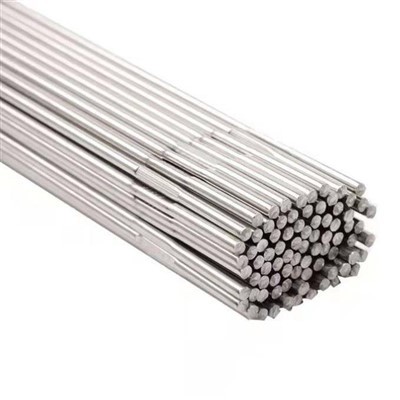
As a dedicated supplier of Titanium Alloy Pipe, I've witnessed firsthand the remarkable qualities of these pipes and their wide - ranging applications. One of the most crucial aspects that customers often inquire about is the impact resistance of titanium alloy pipes. In this blog, I'll delve into the factors that contribute to their impact resistance, real - world applications, and why they are a top choice for many industries.
Understanding the Basics of Titanium Alloy Pipes
Titanium alloy pipes are made by combining titanium with other elements such as aluminum, vanadium, or molybdenum. These alloys are engineered to enhance the base properties of titanium, including strength, corrosion resistance, and in our case, impact resistance. The unique crystal structure of titanium alloys gives them an inherent ability to withstand external forces without deforming or failing catastrophically.
Factors Affecting the Impact Resistance of Titanium Alloy Pipes
Alloy Composition
The choice of alloying elements plays a significant role in determining the impact resistance of titanium alloy pipes. For example, titanium - 6aluminum - 4vanadium (Ti - 6Al - 4V), one of the most widely used titanium alloys, offers excellent impact resistance due to the presence of aluminum and vanadium. Aluminum strengthens the alloy, while vanadium improves its ductility. Ductility is essential as it allows the pipe to deform plastically under impact rather than shattering, which is a common failure mode in brittle materials.
Heat Treatment
Heat treatment processes can significantly alter the microstructure of titanium alloy pipes, thereby affecting their impact resistance. Processes like annealing can relieve internal stresses and improve the overall toughness of the material. On the other hand, quenching and tempering can create a fine - grained structure that enhances strength and impact resistance. However, improper heat treatment can lead to the formation of brittle phases, which may reduce the pipe's ability to withstand impact.
Grain Size
The grain size of the titanium alloy also influences its impact resistance. Generally, a finer grain size results in better impact properties. Finer grains provide more boundaries for dislocations to move, which helps in dissipating the energy from an impact. Manufacturing processes such as extrusion and forging can be controlled to achieve the desired grain size, thus optimizing the pipe's impact resistance.
Measuring Impact Resistance
There are several standardized tests used to measure the impact resistance of materials, including titanium alloy pipes. The Charpy impact test is one of the most common methods. In this test, a notched specimen of the pipe is struck by a pendulum, and the energy absorbed during the fracture is measured. A higher energy absorption value indicates better impact resistance. Another test is the Izod impact test, which is similar but uses a different specimen configuration. These tests provide valuable data for engineers and designers to select the appropriate titanium alloy pipes for their specific applications.
Real - World Applications of Titanium Alloy Pipes with High Impact Resistance
Aerospace Industry
In the aerospace industry, titanium alloy pipes are used in various critical components. For example, they are employed in hydraulic systems where they need to withstand high - pressure pulses and potential impacts during flight. The high impact resistance of these pipes ensures the reliability and safety of the aircraft. Additionally, in the engine area, titanium alloy pipes are used to transport fuel and coolant, where they are exposed to extreme vibrations and potential debris impacts. The ability of these pipes to resist impact helps prevent leaks and system failures, which could have catastrophic consequences.
Marine Industry
In the marine environment, titanium alloy pipes are highly valued for their corrosion resistance and impact resistance. They are used in shipbuilding for seawater intake and discharge systems, as well as in offshore oil and gas platforms. The pipes need to withstand the constant pounding of waves, as well as potential collisions with floating debris. Their excellent impact resistance ensures long - term durability and reduces the need for frequent maintenance and replacement.
Automotive Industry
The automotive industry is increasingly turning to titanium alloy pipes for exhaust systems and other high - performance applications. These pipes need to withstand vibrations, road debris impacts, and thermal stresses. The high impact resistance of titanium alloy pipes helps maintain the integrity of the exhaust system, improving the overall performance and longevity of the vehicle.


Advantages of Using Titanium Alloy Pipes with High Impact Resistance
Long - Term Durability
Due to their high impact resistance, titanium alloy pipes have a longer service life compared to many other materials. They can withstand repeated impacts without significant damage, reducing the frequency of replacements and downtime. This is particularly important in industries where reliability is crucial, such as aerospace and energy.
Weight Savings
Titanium alloys are known for their high strength - to - weight ratio. Compared to steel pipes, titanium alloy pipes can provide similar or better impact resistance while being significantly lighter. This weight savings can lead to improved fuel efficiency in transportation applications and reduced structural loads in other industries.
Corrosion Resistance
In addition to their impact resistance, titanium alloy pipes offer excellent corrosion resistance. This is a crucial advantage in environments where the pipes are exposed to harsh chemicals or saltwater. The combination of impact resistance and corrosion resistance makes titanium alloy pipes a versatile choice for a wide range of applications.
Comparing Titanium Alloy Pipes with Other Materials
When compared to traditional materials like steel and aluminum, titanium alloy pipes often outperform in terms of impact resistance. Steel pipes, while strong, can be prone to corrosion in many environments, which can weaken the material over time and reduce its impact resistance. Aluminum pipes, on the other hand, are lightweight but generally have lower impact strength compared to titanium alloys.
Future Trends in Titanium Alloy Pipe Technology
As industries continue to demand higher - performance materials, the development of titanium alloy pipes with even better impact resistance is an area of active research. New alloy compositions and manufacturing processes are being explored to further enhance the properties of these pipes. For example, the use of nanotechnology to control the microstructure at the atomic level could lead to significant improvements in impact resistance.
In conclusion, the impact resistance of titanium alloy pipes is a complex property that is influenced by multiple factors, including alloy composition, heat treatment, and grain size. These pipes offer numerous advantages in real - world applications, such as long - term durability, weight savings, and corrosion resistance. Whether you are in the aerospace, marine, or automotive industry, Titanium Alloy Tubing and Titanium Alloy Pipe can provide a reliable solution for your piping needs.
If you are interested in learning more about our titanium alloy pipes or are looking to make a purchase, please feel free to reach out. Our team of experts is ready to assist you in selecting the right product for your specific requirements. We are committed to providing high - quality products and excellent customer service. Let's start a conversation about how our titanium alloy pipes can benefit your projects.
References
- "Titanium: A Technical Guide" by John R. Davis
- ASTM International standards for impact testing of metals
- Journal articles on the mechanical properties of titanium alloys published in Materials Science and Engineering journals.