


The elongation at break is a crucial mechanical property that measures the ability of a material to deform plastically before fracturing. When it comes to a titanium block, understanding its elongation at break is essential for various applications, from aerospace engineering to medical device manufacturing. As a trusted titanium block supplier, I am here to delve into the details of this important characteristic.
Understanding Elongation at Break
Elongation at break, also known as fracture strain, is expressed as a percentage. It represents the increase in length of a specimen at the moment of rupture relative to its original length. For instance, if a titanium block specimen with an original length of 100 mm stretches to 120 mm before breaking, its elongation at break is 20%.
This property is determined through a tensile test, a standard mechanical test where a specimen is subjected to a gradually increasing tensile force until it fractures. During the test, the change in length of the specimen is continuously monitored, and the elongation at break is calculated based on the maximum length achieved before failure.
Factors Affecting the Elongation at Break of Titanium Blocks
Several factors can influence the elongation at break of titanium blocks. These include the alloy composition, heat treatment, and manufacturing process.
Alloy Composition
Titanium is often alloyed with other elements such as aluminum, vanadium, and tin to enhance its mechanical properties. Different alloy compositions can result in varying levels of elongation at break. For example, titanium alloys with higher aluminum content tend to have better strength but lower ductility, which may lead to a lower elongation at break. On the other hand, alloys with a balanced composition of elements can offer a good combination of strength and ductility.

Heat Treatment
Heat treatment is a critical process that can significantly affect the microstructure and mechanical properties of titanium blocks. By subjecting the blocks to specific heating and cooling cycles, the grain size, phase composition, and internal stresses can be altered. Annealing, for instance, is a common heat treatment method that can improve the ductility of titanium alloys, resulting in a higher elongation at break.
Manufacturing Process
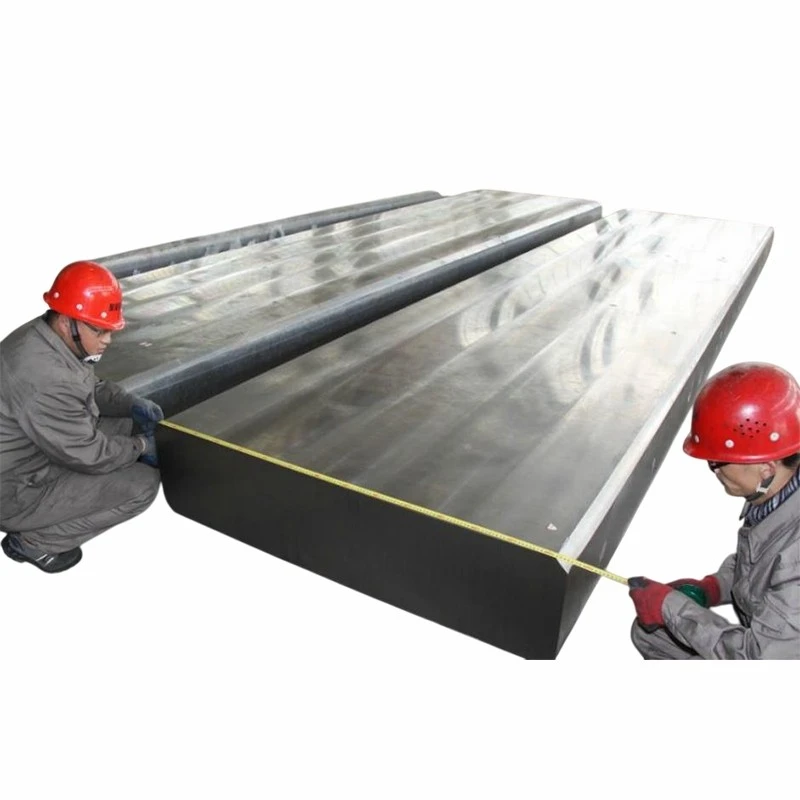
The manufacturing process of titanium blocks also plays a role in determining their elongation at break. Forged titanium blocks, such as our Titanium Forged Block, often have a more uniform microstructure and better mechanical properties compared to cast blocks. The forging process aligns the grain structure, which can enhance the ductility and improve the elongation at break.
Importance of Elongation at Break in Applications
The elongation at break of titanium blocks is of great importance in various applications. Here are some examples:
Aerospace Industry
In the aerospace industry, titanium alloys are widely used due to their high strength-to-weight ratio and excellent corrosion resistance. Components such as aircraft frames, engine parts, and landing gear require materials with good ductility to withstand the stresses and strains during flight. A high elongation at break ensures that these components can deform plastically without fracturing, providing an additional safety margin.
Medical Devices
Titanium is a biocompatible material that is commonly used in the manufacturing of medical devices such as orthopedic implants and dental prosthetics. These devices need to be able to withstand the mechanical forces exerted on them in the human body. A sufficient elongation at break allows the implants to adapt to the surrounding tissues and reduces the risk of failure due to fatigue or sudden loading.
Chemical Processing
In the chemical processing industry, titanium is used for its excellent corrosion resistance in harsh environments. Equipment such as reactors, heat exchangers, and piping systems made of titanium need to have good ductility to prevent cracking and leakage. A high elongation at break ensures that these components can withstand the thermal and mechanical stresses associated with chemical processes.
Our Titanium Blocks and Elongation at Break
As a leading titanium block supplier, we offer a wide range of Titanium Metal Block products with different alloy compositions and specifications. Our blocks are carefully manufactured using advanced processes to ensure consistent quality and excellent mechanical properties.
We understand the importance of elongation at break in different applications, and we work closely with our customers to provide the most suitable titanium blocks for their needs. Our technical team can assist you in selecting the right alloy and heat treatment process to achieve the desired elongation at break and other mechanical properties.
Contact Us for Procurement
If you are interested in purchasing titanium blocks and would like to discuss the elongation at break and other properties in more detail, please feel free to contact us. We are committed to providing you with high-quality products and professional services. Whether you are in the aerospace, medical, or chemical processing industry, we have the expertise and resources to meet your requirements.
References
- Callister, W. D., & Rethwisch, D. G. (2017). Materials Science and Engineering: An Introduction. Wiley.
- ASM Handbook Committee. (2000). ASM Handbook Volume 2: Properties and Selection: Nonferrous Alloys and Special-Purpose Materials. ASM International.
- Boyer, R. R., Welsch, G., & Collings, E. W. (1994). Materials Properties Handbook: Titanium Alloys. ASM International.


