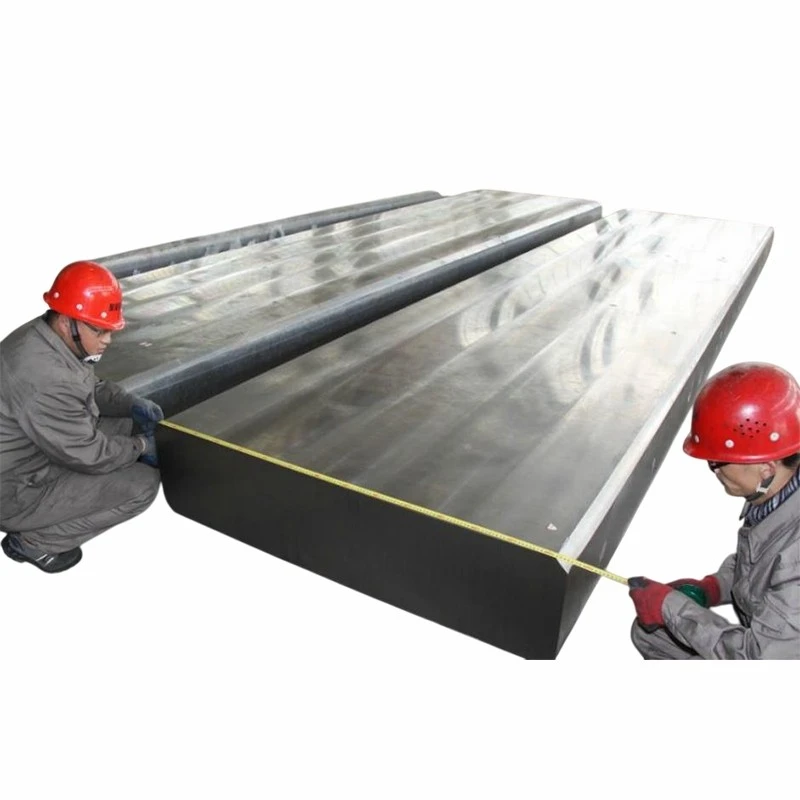
As a seasoned supplier of titanium blocks, I've witnessed firsthand the diverse applications and unique properties of this remarkable metal. Titanium blocks, whether Titanium Metal Block or Titanium Forged Block, are highly sought after in industries ranging from aerospace to medical due to their exceptional strength, corrosion resistance, and biocompatibility. However, maintaining the quality and integrity of these blocks often requires proper cleaning, which involves the careful selection of appropriate chemicals. In this blog post, I'll delve into the various chemicals that can be used to clean a titanium block, ensuring its optimal performance and longevity.

Understanding the Cleaning Requirements of Titanium Blocks
Before we explore the specific chemicals, it's essential to understand the cleaning requirements of titanium blocks. Titanium is a reactive metal that forms a thin, protective oxide layer on its surface when exposed to air. This oxide layer provides excellent corrosion resistance but can also trap contaminants such as dirt, grease, and metal particles during manufacturing, handling, or storage. Cleaning a titanium block aims to remove these contaminants without damaging the protective oxide layer or altering the metal's properties.
Chemicals for Cleaning Titanium Blocks
1. Acetic Acid
Acetic acid, commonly known as vinegar in its diluted form, is a mild organic acid that can be used to clean titanium blocks. It is effective in removing light surface contaminants such as dirt and grease. The advantage of using acetic acid is its relatively low reactivity, which minimizes the risk of damaging the titanium's oxide layer. To use acetic acid for cleaning, prepare a solution of 5-10% acetic acid in water. Immerse the titanium block in the solution for a few minutes, then rinse it thoroughly with clean water and dry it with a soft cloth.
2. Citric Acid
Citric acid is another organic acid that is widely used for cleaning titanium blocks. It is a natural acid found in citrus fruits and is known for its chelating properties, which means it can bind to metal ions and remove them from the surface of the titanium. Citric acid is effective in removing rust, scale, and other inorganic contaminants. A 5-10% citric acid solution can be used for cleaning. Similar to acetic acid, immerse the titanium block in the solution, agitate it gently to ensure thorough cleaning, and then rinse and dry it.
3. Hydrochloric Acid
Hydrochloric acid is a strong inorganic acid that can be used for more aggressive cleaning of titanium blocks. It is particularly effective in removing heavy rust, scale, and metal oxides. However, hydrochloric acid is highly reactive and can damage the titanium's oxide layer if not used properly. Therefore, it should be used with caution and in a well-ventilated area. A 1-5% hydrochloric acid solution is typically used for cleaning. Immerse the titanium block in the solution for a short period, usually no more than a few minutes, and then rinse it immediately with copious amounts of water to neutralize the acid.
4. Sulfuric Acid
Sulfuric acid is another strong acid that can be used for cleaning titanium blocks. It is effective in removing organic and inorganic contaminants, including grease, oil, and metal oxides. Like hydrochloric acid, sulfuric acid is highly reactive and should be used with care. A 5-10% sulfuric acid solution can be used for cleaning. After immersing the titanium block in the solution, rinse it thoroughly with water and then neutralize any remaining acid with a dilute sodium bicarbonate solution.
5. Alkaline Cleaners
Alkaline cleaners, such as sodium hydroxide (lye) or potassium hydroxide, can also be used to clean titanium blocks. These cleaners are effective in removing grease, oil, and other organic contaminants. They work by saponifying the fats and oils, converting them into water-soluble salts that can be easily rinsed away. A 1-5% alkaline solution can be used for cleaning. Immerse the titanium block in the solution, heat it gently if necessary to enhance the cleaning effect, and then rinse and dry it.
Safety Precautions
When using any chemicals to clean titanium blocks, it's crucial to follow safety precautions to protect yourself and the environment. Wear appropriate personal protective equipment, such as gloves, goggles, and a lab coat. Work in a well-ventilated area to avoid inhaling fumes. Always add the acid to water slowly, never the other way around, to prevent splashing and potential chemical burns. After cleaning, dispose of the chemicals properly according to local regulations.
Post-Cleaning Treatment
After cleaning the titanium block, it's important to perform a post-cleaning treatment to restore and enhance the protective oxide layer. One common method is to passivate the titanium block by immersing it in a nitric acid solution. Nitric acid helps to remove any remaining contaminants and promotes the formation of a thicker, more protective oxide layer. A 20-30% nitric acid solution can be used for passivation. Immerse the titanium block in the solution for 10-30 minutes, then rinse it thoroughly with water and dry it.
Conclusion
Cleaning titanium blocks is an important step in maintaining their quality and performance. By choosing the appropriate chemicals and following the proper cleaning procedures, you can effectively remove contaminants without damaging the titanium's oxide layer. Whether you're using acetic acid for light cleaning or hydrochloric acid for more aggressive cleaning, always prioritize safety and ensure proper post-cleaning treatment.
If you're in the market for high-quality Titanium Metal Block or Titanium Forged Block, we're here to help. Our team of experts can provide you with the best products and advice on cleaning and maintenance. Contact us today to start a procurement discussion and discover how our titanium blocks can meet your specific needs.
References
- ASM Handbook, Volume 2: Properties and Selection: Nonferrous Alloys and Special-Purpose Materials. ASM International.
- Titanium: A Technical Guide. Second Edition. J. R. Davis (Ed.). ASM International.
- Corrosion of Titanium and Titanium Alloys. R. Baboian (Ed.). NACE International.