Hey there! As a supplier of tungsten products, I often get asked about the electrical insulation properties of the stuff we offer. Tungsten is an incredibly versatile metal, known for its high melting point, density, and strength. But when it comes to electrical insulation, well, that's a bit of a different story.
First off, let's talk about what electrical insulation actually means. In simple terms, an insulator is a material that resists the flow of electric current. Think of it like a traffic cop for electrons – it stops them from moving freely through the material. On the flip side, conductors are materials that allow electrons to move easily, like copper or aluminum.
Now, tungsten is generally considered a conductor. It has a relatively low electrical resistivity, which means electrons can flow through it with minimal resistance. This is why tungsten is commonly used in electrical applications where conductivity is key, such as in filaments for incandescent light bulbs or as electrodes in high - temperature furnaces.
But in some of our tungsten products, we've taken steps to modify these properties to suit different needs. Let's take a look at a few of our offerings and their electrical insulation characteristics.
Tungsten Super Shot
Our Tungsten Super Shot is a popular product, often used in applications like shot peening and balancing weights. In its raw form, tungsten super shot is a good conductor. However, we can apply special coatings to it to improve its electrical insulation.
These coatings act as a barrier between the tungsten and any electrical current. They're made from materials with high electrical resistivity, like certain polymers or ceramics. By adding these coatings, we can turn our Tungsten Super Shot into a product that can be used in environments where electrical insulation is required. For example, in some electronic devices where small, dense weights are needed but electrical conductivity could cause problems.
The effectiveness of the insulation depends on the type and thickness of the coating. A thicker coating generally provides better insulation, but it also adds to the overall weight and size of the shot. So, we work closely with our customers to find the right balance based on their specific requirements.
Tungsten Flat Bar
The Tungsten Flat Bar is another one of our staple products. It's used in a wide range of industries, from aerospace to electronics. Similar to the super shot, uncoated tungsten flat bars are conductors.
But for applications where electrical insulation is crucial, we offer flat bars with insulation treatments. One common method is to anodize the surface of the tungsten. Anodizing creates a thin, oxide layer on the surface of the metal, which can act as an insulator. This process not only improves the electrical insulation but also enhances the corrosion resistance of the flat bar.
In some cases, we also use insulating wraps or tapes. These are flexible materials that can be easily applied to the flat bar, providing an extra layer of protection against electrical current. This is especially useful in situations where the flat bar needs to be installed in close proximity to other electrical components.


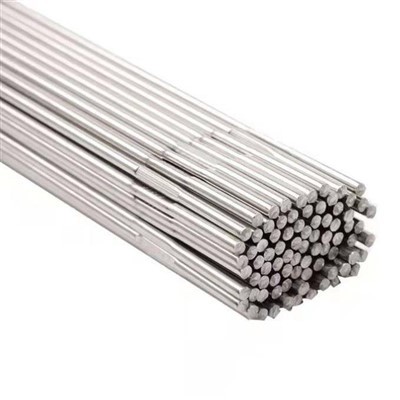
Pure Tungsten Wire
Our Pure Tungsten Wire is widely used in the manufacturing of heating elements, filaments, and other electrical components. As you might expect, pure tungsten wire is a great conductor. But there are times when customers need it to have some level of electrical insulation.
To address this, we offer wire with insulation coatings. These coatings can be made from a variety of materials, such as enamel or fiberglass. Enamel coatings are thin and provide good insulation for low - voltage applications. They're also relatively easy to apply and can withstand moderate temperatures.
Fiberglass coatings, on the other hand, are more suitable for high - temperature applications. They can handle much higher temperatures than enamel coatings without losing their insulating properties. This makes them ideal for use in heating elements where the wire is exposed to extreme heat.
Factors Affecting Electrical Insulation
There are several factors that can affect the electrical insulation properties of our tungsten products. Temperature is a big one. As the temperature increases, the insulating properties of most materials tend to degrade. This is because higher temperatures can cause the molecules in the insulation material to vibrate more vigorously, which can disrupt the flow - blocking structure.
Moisture is another factor. Water is a good conductor of electricity, so if the insulation gets wet, its effectiveness can be greatly reduced. That's why in some applications, we use moisture - resistant coatings or enclosures to protect the insulation.
The frequency of the electrical current also matters. Some insulation materials work better at certain frequencies than others. For example, some polymers may be more effective at low frequencies, while ceramics may be better for high - frequency applications.
Testing and Quality Control
We take the electrical insulation properties of our products very seriously. Before any product leaves our facility, it undergoes rigorous testing. We use a variety of methods to measure the insulation resistance, such as the megohmmeter test. This test measures the resistance between two points on the product and gives us an indication of how well the insulation is working.
We also perform environmental testing to simulate real - world conditions. This includes exposing the products to high temperatures, humidity, and different frequencies of electrical current. By doing this, we can ensure that our tungsten products will perform as expected in their intended applications.
Conclusion
So, there you have it – a rundown of the electrical insulation properties of some of our tungsten products. While tungsten is generally a conductor, we've developed ways to modify its properties to meet the diverse needs of our customers. Whether you need a highly insulated tungsten component for an electronic device or a conductive one for a high - temperature furnace, we've got you covered.
If you're interested in learning more about our tungsten products or have specific requirements for electrical insulation, don't hesitate to reach out. We're always happy to have a chat and find the best solution for your needs. Let's start a conversation and see how we can work together to make your project a success.
References
- "Handbook of Electrical and Electronic Insulating Materials"
- "Materials Science and Engineering: An Introduction" by William D. Callister Jr. and David G. Rethwisch