


Hey there! As a supplier of Pure Titanium Rods, I've got a ton of experience in handling these amazing materials. Today, I'm gonna share with you the best practices for dealing with pure titanium rods.
Storage
First off, let's talk about storage. Pure titanium rods are pretty sensitive to their environment. You gotta store them in a dry place. Moisture can cause corrosion over time, and you definitely don't want that. A humidity - controlled storage area is ideal. If you don't have a fancy humidity - controlled room, at least keep them away from areas where water might splash or where there's a lot of condensation.
Also, make sure to keep the rods away from chemicals. Some chemicals can react with titanium and damage its surface. For example, strong acids or alkalis can be a big no - no. Store them separately from any chemical containers or areas where chemical spills might occur.
When it comes to stacking the rods, be careful. Don't stack them too high because it can cause deformation at the bottom. You want to stack them in a stable way, maybe using some wooden or plastic spacers between the layers to distribute the weight evenly. This helps to maintain the straightness and integrity of the rods.
Handling During Transportation
Transporting pure titanium rods is another crucial step. First, you need to protect them from physical damage. Wrap the rods with some soft materials like foam or rubber padding. This will absorb any shocks or vibrations during transit.
Secure the rods properly in the transportation vehicle. You don't want them to move around freely, as that can lead to scratches or dents. Use straps or brackets to hold them in place. If you're shipping them long - distance, consider using a specialized container designed for metal rods.
It's also important to label the packages clearly. Mark them as "Pure Titanium Rods" and include any handling instructions. This helps the carriers and anyone else involved in the transportation process to handle them correctly.
Machining and Fabrication
When it comes to machining pure titanium rods, it's a bit different from other metals. Titanium has a relatively low thermal conductivity, which means that heat generated during machining can build up quickly. This can lead to tool wear and even damage the surface of the rod.
So, you need to use the right cutting tools. High - speed steel or carbide tools are commonly used. Make sure the tools are sharp. Dull tools will increase the heat generation and make the machining process more difficult.
Coolants are also essential. Using a suitable coolant can help to dissipate the heat and reduce friction. Water - based coolants are often a good choice, but make sure they are compatible with titanium. Some coolants might contain chemicals that can react with the metal.

During the fabrication process, pay attention to the cutting speed and feed rate. You don't want to go too fast, as it can cause the tool to break or damage the rod. A slower, more controlled speed is usually better. Also, take breaks during the machining process to let the rod and the tools cool down.
Welding
Welding pure titanium rods requires special attention. Titanium is highly reactive to oxygen, nitrogen, and hydrogen at high temperatures. So, you need to perform the welding in an inert gas environment, usually argon. The argon gas shields the welding area from the surrounding air, preventing the formation of oxides and other impurities.
Before welding, clean the surfaces of the rods thoroughly. Any dirt, oil, or oxide layers can affect the quality of the weld. Use a stainless - steel wire brush or a chemical cleaner to clean the surfaces.
Choose the right welding method. Tungsten Inert Gas (TIG) welding is a popular choice for titanium. It allows for precise control of the heat input and produces high - quality welds. Make sure the welder is experienced in working with titanium, as it requires different skills compared to welding other metals.
Quality Control
Quality control is a must - do throughout the entire process. Regularly inspect the rods for any signs of damage, such as scratches, dents, or corrosion. Use measuring tools to check the dimensions of the rods. Make sure they meet the required specifications.
For example, if you're supplying Pure Titanium Rod for a specific application, the diameter, length, and straightness need to be within the tolerance range. You can use calipers, micrometers, and straightedges for these measurements.
Perform non - destructive testing if necessary. Methods like ultrasonic testing can help to detect internal defects in the rods. This ensures that the rods are of high quality and suitable for their intended use.
Applications and Advantages
Pure titanium rods have a wide range of applications. In the aerospace industry, they are used for making aircraft components because of their high strength - to - weight ratio. Titanium is much lighter than steel but has comparable strength, which helps to reduce the weight of the aircraft and improve fuel efficiency.
In the medical field, Pure Titanium Rod are used for implants. Titanium is biocompatible, which means it can be safely used inside the human body without causing any adverse reactions. It's also corrosion - resistant, which is important for long - term use in the body.
Another application is in the chemical industry. Titanium is resistant to many chemicals, so it can be used for making equipment like reaction vessels and pipes. This helps to prevent corrosion and extend the lifespan of the equipment.
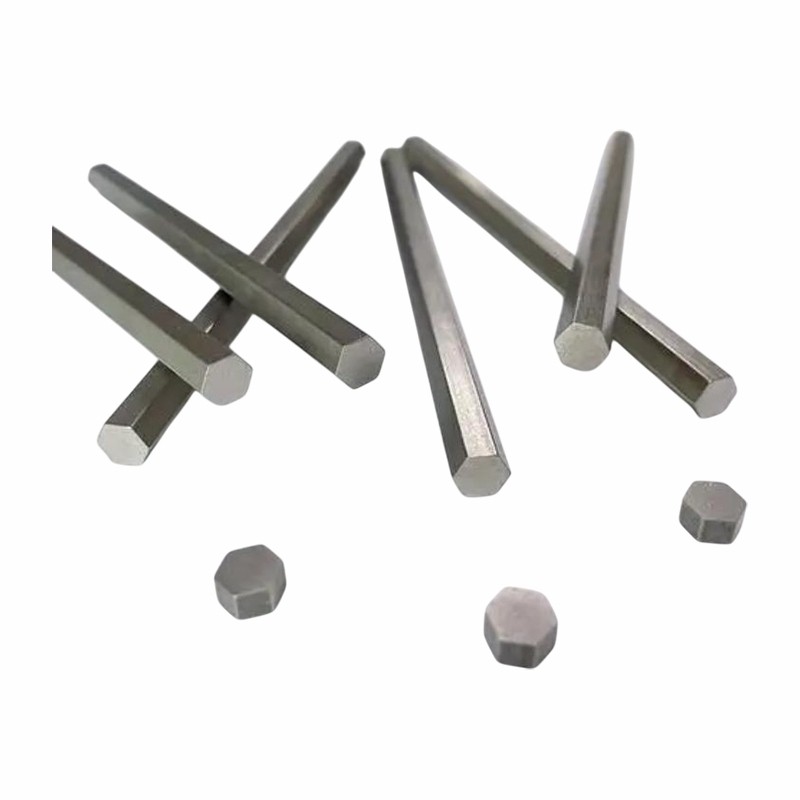
There are also other forms of titanium products, such as Titanium Hex Bar and Titanium Forging Bar. These products have their own unique properties and applications, and they can be used in combination with pure titanium rods in various projects.
Conclusion
Well, that's a wrap on the best practices for handling pure titanium rods. From storage to transportation, machining, welding, and quality control, every step is important to ensure the quality and performance of these amazing materials.
If you're in the market for high - quality Pure Titanium Rod, Titanium Hex Bar, or Titanium Forging Bar, I'd love to have a chat with you. Whether you're working on an aerospace project, a medical application, or something in the chemical industry, we've got the right products for you. Just reach out and let's discuss your requirements.
References
- "Titanium: A Technical Guide" by John R. Davis
- "Manufacturing Processes for Engineering Materials" by Serope Kalpakjian and Steven R. Schmid


