


Hey there! I'm a supplier of pure titanium plates, and today I wanna chat about how to recycle these awesome materials. Pure titanium plates are super useful in tons of industries, like aerospace, medical, and even marine. But as cool as they are, we also gotta think about how to handle them when they're no longer needed. Recycling is not only good for the environment but can also save some serious cash. So, let's dive into the world of recycling pure titanium plates!
Why Recycle Pure Titanium Plates?
First off, why bother recycling? Well, titanium is a precious metal. Mining and refining it takes a whole lot of energy and resources. By recycling pure titanium plates, we can reduce the need for new mining operations. This helps to conserve natural resources and cut down on the environmental impact of titanium production.
Plus, recycling can be a cost - effective solution for businesses. Instead of buying brand - new titanium plates all the time, companies can reuse recycled titanium, which often comes at a lower price. It's a win - win situation for both the planet and your wallet.
Step 1: Collection
The first step in recycling pure titanium plates is collecting them. As a supplier, I often get feedback from my customers about what they do with their old plates. Some of them just keep the scrap in their warehouses, not knowing what to do next. That's where I come in! I encourage my clients to set up a collection system for their used titanium plates.
You can start by designating a specific area in your facility for collecting scrap titanium. Make sure to separate the pure titanium plates from other metals and alloys. This is crucial because contaminants can affect the quality of the recycled titanium.
Step 2: Sorting and Inspection
Once you've collected the plates, the next step is sorting and inspection. This is a really important part of the process. You gotta check the plates for any signs of damage, corrosion, or contamination.
For example, if a plate has been exposed to chemicals or has a lot of rust, it might need some extra treatment before recycling. Also, it's essential to sort the plates by their grade and thickness. Different grades of titanium have different properties, and sorting them correctly ensures that the recycled material will have consistent quality.
Step 3: Cleaning
Cleaning the pure titanium plates is a must. There could be all sorts of dirt, oil, and other debris on the plates from their previous use. You can use various cleaning methods depending on the level of contamination.
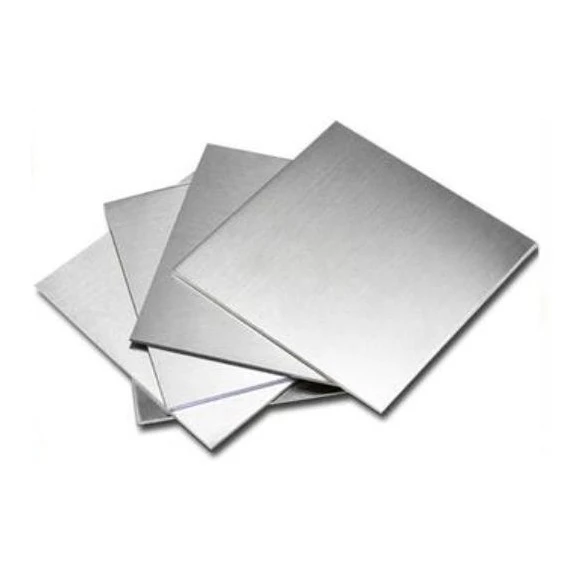

One common method is using solvents to remove oil and grease. But be careful when using solvents, as some of them can be harmful to the environment. Another option is mechanical cleaning, like sandblasting. Sandblasting can effectively remove surface contaminants without using any chemicals.
Step 4: Melting
After cleaning, it's time to melt the plates. Melting is the core of the recycling process. You need a high - temperature furnace to melt the pure titanium plates. The melting point of titanium is really high, around 1668°C (3034°F), so you need a specialized furnace that can reach and maintain such high temperatures.
During the melting process, it's important to control the atmosphere inside the furnace. Titanium is very reactive with oxygen at high temperatures, so the furnace should be filled with an inert gas, like argon, to prevent oxidation.
Step 5: Refining
Once the titanium is melted, it needs to be refined. Refining helps to remove any remaining impurities and ensure that the recycled titanium meets the required quality standards.
There are different refining methods, such as the Kroll process or the Hunter process. The Kroll process is the most commonly used method for refining titanium. It involves reacting titanium tetrachloride with magnesium to produce pure titanium.
Step 6: Forming
After refining, the recycled titanium can be formed into new products. It can be rolled into sheets or plates, just like the ones I supply. This is where the magic happens, turning old, used plates into brand - new, high - quality titanium products.
You can check out the different types of titanium products we offer, like Titanium Alloy Plate, Titanium Alloy Sheet, and Titanium Metal Sheet. These products are made with the highest quality standards and can be used in a wide range of applications.
Challenges in Recycling Pure Titanium Plates
Recycling pure titanium plates isn't always a walk in the park. There are some challenges that we need to overcome.
One of the main challenges is the high cost of recycling. The equipment needed for melting and refining titanium is very expensive, and the energy consumption is also quite high. This can make the recycling process less cost - effective compared to producing new titanium from raw materials.
Another challenge is the complexity of the recycling process. Titanium is a reactive metal, and it requires special handling and processing techniques. Any mistakes during the recycling process can lead to lower - quality recycled titanium.
The Future of Titanium Recycling
Despite the challenges, the future of titanium recycling looks bright. With the increasing demand for sustainable materials, more and more companies are looking for ways to recycle titanium.
New technologies are being developed to make the recycling process more efficient and cost - effective. For example, researchers are working on new melting and refining methods that use less energy and produce less waste.
As a supplier, I'm committed to promoting the recycling of pure titanium plates. I believe that by working together, we can make the titanium industry more sustainable and environmentally friendly.
Contact for Procurement
If you're interested in buying high - quality pure titanium plates or learning more about our recycling services, don't hesitate to get in touch. We're always here to answer your questions and help you find the best solutions for your needs. Whether you're in the aerospace, medical, or marine industry, we have the right titanium products for you.
References
- "Titanium: A Technical Guide" by Don Eylon.
- Various industry reports on titanium recycling and production.


