Can a Titanium Hex Bar be used in construction?
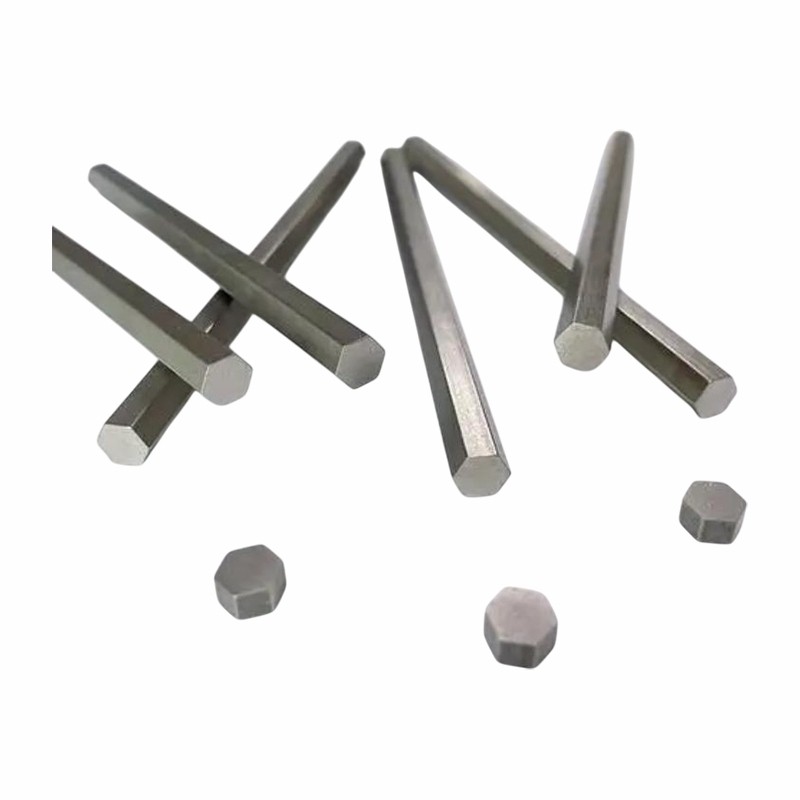
As a supplier of Titanium Hex Bars, I've often been asked whether these unique products can find a place in the construction industry. In this blog, I'll explore the properties of Titanium Hex Bars, evaluate their potential applications in construction, and discuss the considerations involved.
Properties of Titanium Hex Bars
Titanium is a remarkable metal known for its exceptional properties. First and foremost, it has an outstanding strength - to - weight ratio. Titanium is as strong as many steels but is about 45% lighter. This means that when using Titanium Hex Bars in construction, structures can be made lighter without sacrificing strength. For large - scale construction projects, such as high - rise buildings or long - span bridges, this weight reduction can lead to significant savings in foundation costs and overall construction materials.
Another crucial property of titanium is its excellent corrosion resistance. Titanium forms a thin, adherent oxide layer on its surface when exposed to oxygen. This layer protects the metal from further corrosion, even in harsh environments such as coastal areas where saltwater can cause rapid deterioration of traditional construction materials like steel. The corrosion resistance of Titanium Hex Bars ensures the long - term durability of structures, reducing the need for frequent maintenance and replacement.
Titanium also has good biocompatibility. While this property is more commonly associated with medical applications, it can be an advantage in certain construction scenarios. For example, in buildings that house sensitive equipment or in areas where human contact is frequent, the non - toxic nature of titanium can be a selling point.
Potential Applications in Construction
Structural Components
Titanium Hex Bars can be used as structural elements in construction. Their high strength allows them to bear significant loads, making them suitable for use in columns, beams, and trusses. In earthquake - prone regions, the light weight and high ductility of titanium can help structures better withstand seismic forces. The bars can be easily machined and welded, which enables them to be incorporated into complex structural designs.
Architectural Features
Architects are always looking for unique materials to create distinctive building facades and interior features. Titanium Hex Bars offer a sleek and modern appearance. They can be used to create decorative screens, handrails, and other architectural details. The corrosion resistance of titanium ensures that these features will maintain their aesthetic appeal over time, even in outdoor settings.
Infrastructure Projects
In infrastructure projects such as bridges and tunnels, Titanium Hex Bars can play an important role. Their resistance to corrosion makes them ideal for use in environments where exposure to water, chemicals, or harsh weather conditions is common. For example, in bridge cables or tunnel support structures, the long - term durability of titanium can enhance the safety and longevity of the infrastructure.
Considerations
Cost
One of the main challenges of using Titanium Hex Bars in construction is the cost. Titanium is generally more expensive than traditional construction materials like steel and concrete. The high cost is due to the complex extraction and processing methods required to produce titanium. However, when considering the long - term benefits such as reduced maintenance costs and increased lifespan of the structure, the initial investment in titanium may be justified.
Availability
The availability of Titanium Hex Bars can also be a concern. Compared to more commonly used construction materials, the supply of titanium may be more limited. As a supplier, I work hard to ensure a stable supply of high - quality Titanium Hex Bars. However, large - scale construction projects may require careful planning to ensure an adequate supply of the material.

Fabrication and Installation
Fabrication and installation of Titanium Hex Bars require specialized skills and equipment. Titanium has different machining and welding characteristics compared to traditional metals. Contractors need to be trained in working with titanium to ensure that the bars are properly installed and integrated into the structure. This may increase the overall cost of the project, but it is a necessary step to ensure the quality and performance of the construction.
Comparison with Other Titanium Products
When considering using titanium in construction, it's also important to compare Titanium Hex Bars with other titanium products such as Pure Titanium Rod and Titanium Round Rod.
Pure Titanium Rods are made of 99% pure titanium. They offer high purity and excellent corrosion resistance. However, their round shape may not be as suitable for some construction applications where a hexagonal cross - section provides better stability or ease of connection.
Titanium Round Rods are also widely used. They are often used in applications where a circular cross - section is required, such as in shafts or axles. While they share many of the same properties as Titanium Hex Bars, the hexagonal shape of the hex bars can provide unique advantages in terms of structural design and connection methods.
Conclusion
In summary, Titanium Hex Bars have significant potential for use in construction. Their unique properties, including high strength - to - weight ratio, corrosion resistance, and good biocompatibility, make them suitable for a variety of applications. Despite the challenges of cost, availability, and fabrication, the long - term benefits of using titanium in construction can outweigh these drawbacks.
If you are considering using Titanium Hex Bars in your construction project, I encourage you to contact me for more information. We can discuss your specific requirements, provide samples, and offer technical support. Our team of experts is ready to help you make the most of this innovative material in your construction endeavors.
References
- "Titanium: A Technical Guide" by John R. Davis.
- "Construction Materials: Properties, Applications, and Performance" by Michael S. Mamlouk and John P. Zaniewski.